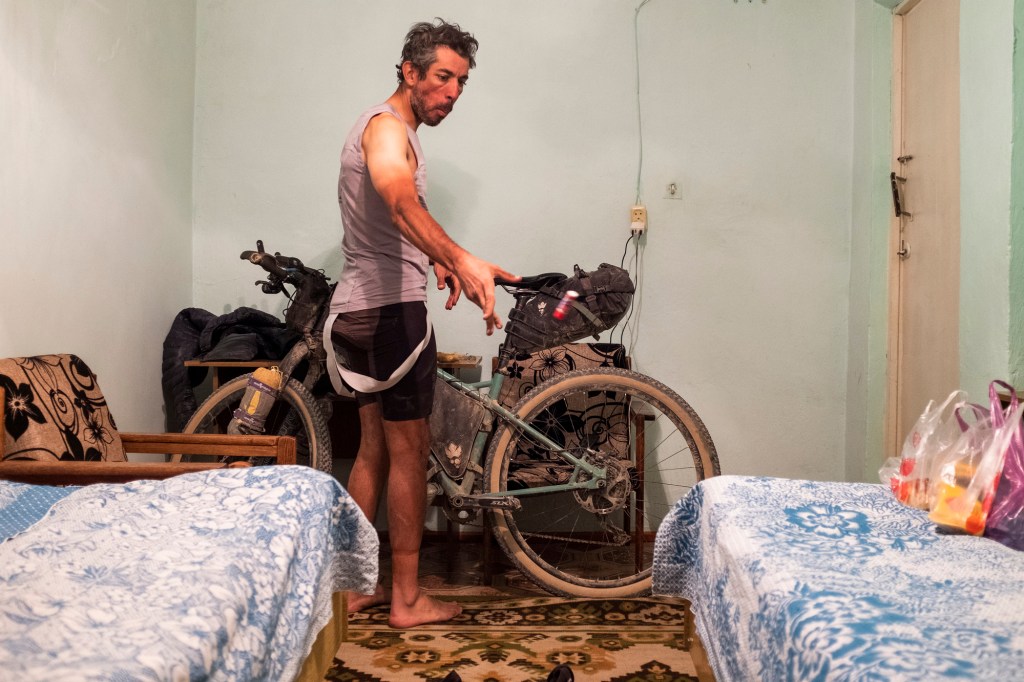
Memory Bike Adventure

A journey along the WW1 front lines between Austria and Italy

It’s late morning and I’m coasting down a slight incline on a paved road. Despite the smooth surface and gravity in my favor, I can’t go faster than 20kph. Because I can’t pedal. I’m exhausted. No, it’s not that. I am very familiar with exhaustion; up until now, it has never stopped me from pedaling. 

This is different. I need to lie down. I need to find a place. And I need to find it now. I spot a closed restaurant with a few benches in the back. That will do the trick. I lie down on a bench. My heart is racing. I’m breathing heavily. I’m nauseous. I understand what’s happening. I’ve been here before. It’s heat exhaustion, probably coupled to dehydration. 
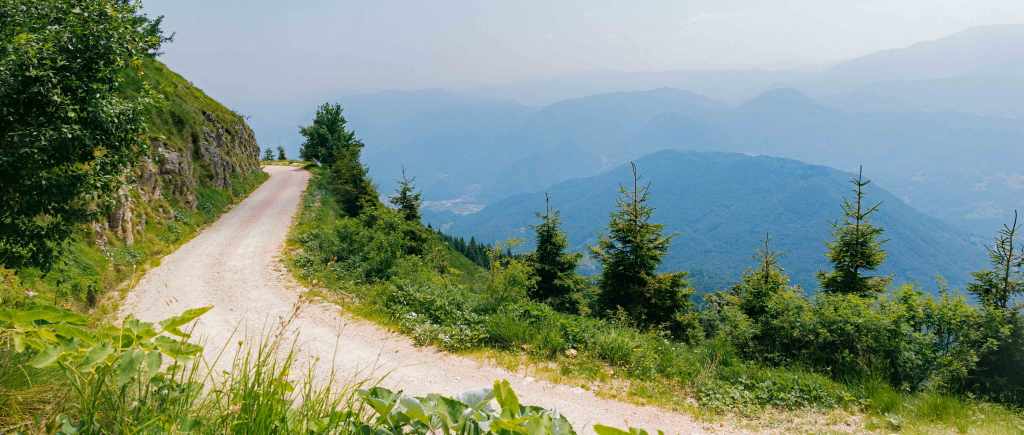
It’s the heart of the summer in Northern Italy and the temperatures are as high as they can get in this part of the world. The humidity the region is famous for makes it even more unbearable. 

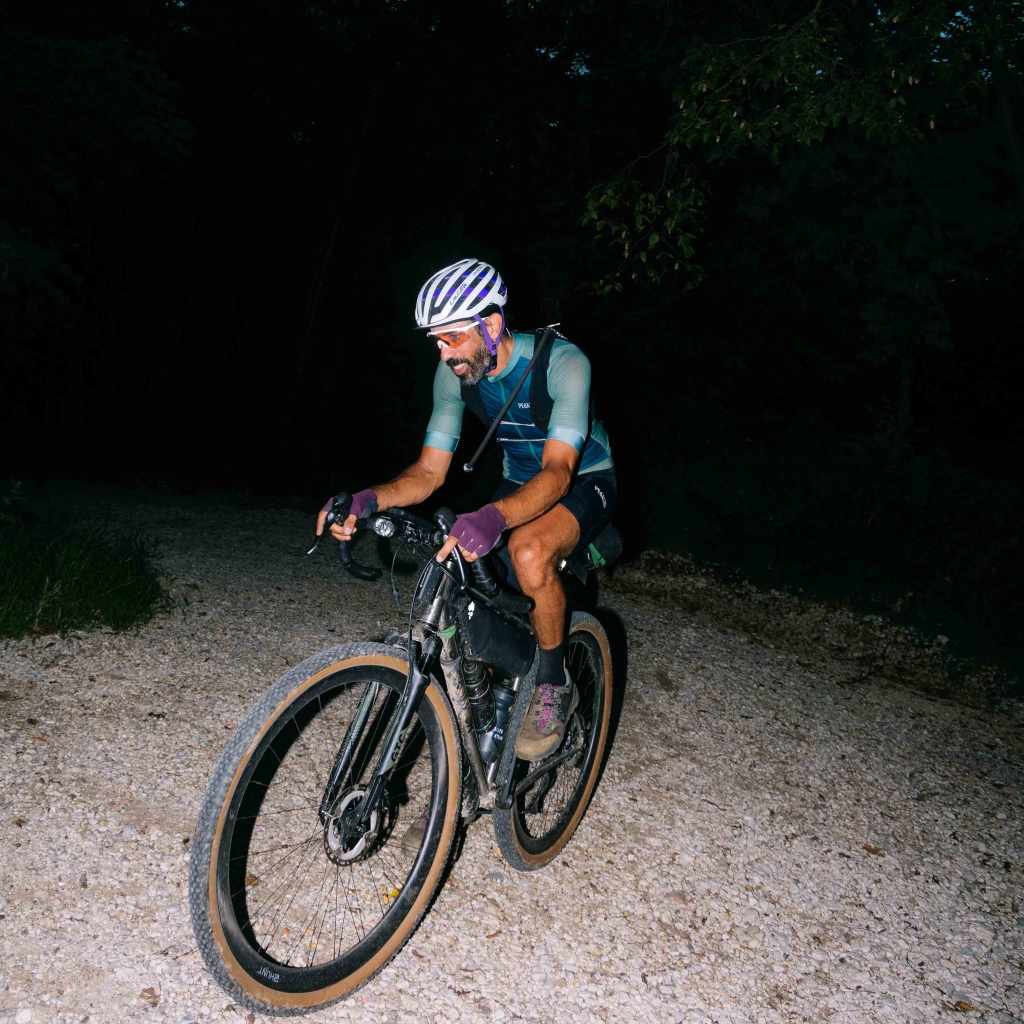
I’ve been riding in the mountains of Veneto for roughly 15 hours. We left Bassano del Grappa at 7pm for 700 km of gravel racing with a mind boggling total elevation gain of 20.000 meters. The night brought a little respite in terms of temperatures, but none in terms of climbing. A few hours ago I was battling the steep slopes of a 15km long ascent desperately looking for water. I found a fountain about halfway up the climb and thought I was saved. But now, half asleep on my bench, I understand that it was too little, too late. 

I don’t know how long I spend in the shade of that closed restaurant. Anywhere between 30 minutes and an hour. 700km is not long for an ultra. It will most likely take anywhere between 60 and 70 hours to finish. So an hour idle is a long time. I know I’m somewhere in the top 5, with the lead not that far. 

It’s time for me to get going. Slowly. Very slowly. I know the drill : I need to drink to replace the fluids lost and to eat to replace the minerals. It’s hard to eat when you’re nauseous but if I don’t do it, I won’t get better. So I force feed myself. Salty food. The saltier, the better. Here at elevation, the heat is more manageable than it was during the climb. I’m lucky in two ways. The first one is that I’m on a plateau and I’m gonna spend most of the day above 1600m. The second one is that it’s getting a bit cloudy. 

I make slow progress during a couple of hours. I stop a couple of times when I feel my core temperature is getting close to the dangerous limit. I can’t afford to overheat again. My friend Adrien from Belgium catches me. We reach the first checkpoint in the race and I grab a few chips and crackers. Salt. Precious salt. Adrien lingers and I’m off. It takes me a long time to chew and swallow my food. But I gradually feel better. I’ll get over this. If I’m smart, I’ll get over this. I have to. I came to Italy in search of my first win of the year after a disappointing start to the season. Mechanicals slowed me down in a mountain bike ultra in Scotland and I couldn’t do better than 4th.
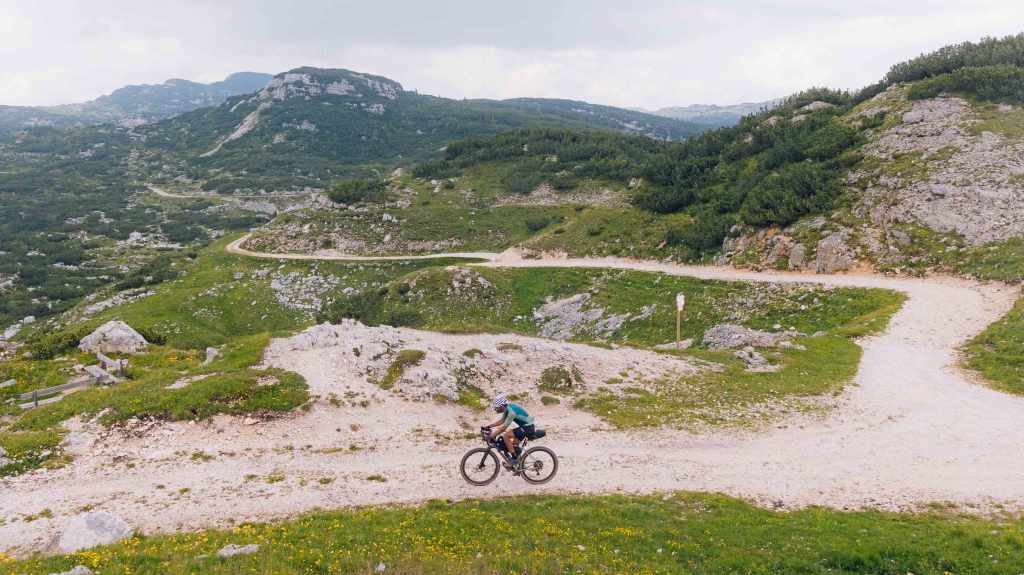
Memory Bike Adventure was created last year by the Enough Cycling collective as a way to showcase the best of what the Veneto and Trentino region have to offer. But also to take the riders on a journey to the past on some of the most important sites of World War One. Trenches, tunnels, forts, memorials… History is everywhere in these mountains and in this race. A good way to remind you that no matter how hard it seems to be, it’s still much easier than fighting in one of the deadliest conflicts in history. 

My enemies during this race are the absurd gradients that I have to battle with pretty much all the time. It is impossible to overstate how steep the roads are in northern Italy. 10% is very common. 12% not rare at all. 15? Yes they have them too. Up to 20%. Needless to say I’m really grateful for the new GRX 12 speed groupset and its 10-51 cassette. The going is slow obviously. But on the upside, it gives you time to admire the fantastic scenery. 

At the start of the second night, I catch Anatole Naimi. He doesn’t know it (and neither do I) but at that time he’s leading the race. We both passed Lukas and Christian while they were resupplying in a town earlier today. Anatole is struggling with several ailments from a crash he suffered in a previous race. I drop him as we race downhill in the dark. He’s riding a mountain bike, but with my gravel  suspension fork I have no trouble keeping up with the hardtails. I won’t see him again. He will stop at the bottom of the descent and drop out. 

Here I am, leading despite the heat exhaustion I suffered today. My plan is clear now: ride as much as I can tonight to open up a gap and then hold on to it all the way to the finish. 

I won’t lie, that night is a blur. Staying awake proved to be extremely difficult. I had to take multiple naps. Usually after a 12 minute nap, I can ride for a couple of hours. But this time 12 minutes barely buys me half an hour of riding. So I change my strategy and sleep 5 minutes every 30 minutes until I can finally stay awake.

It’s the second night. And I know there will be a third. I don’t want to think about this now. But it promises to be another hard battle.

Morning comes and my night ride paid off. The two guys chasing me are now 2 hours behind. There’s roughly 24 hours of racing left, so that’s a nice gap. I have a lot of experience and I know my strengths. If I play my cards right, they won’t catch me. 

My job is to stay well fed and hydrated. And of course, to climb, climb, climb and climb with as very few breaks as possible. I only allow myself to stop to fill up my bottles and buy more food. Yesterday I barely ate due to the heat exhaustion, so today I’m almost constantly starving. Even with a lot of experience, it’s hard to resupply the right amount when your appetite goes from nonexistent to unsatisfiable. I stop more than I usually do. At midday I make it to one of the toughest hike-a-bike on the course. The view is stunning but progress is slow. On my Garmin, the elevation numbers keep ramping up. I feel like I’m crawling up these passes. One after the other. 
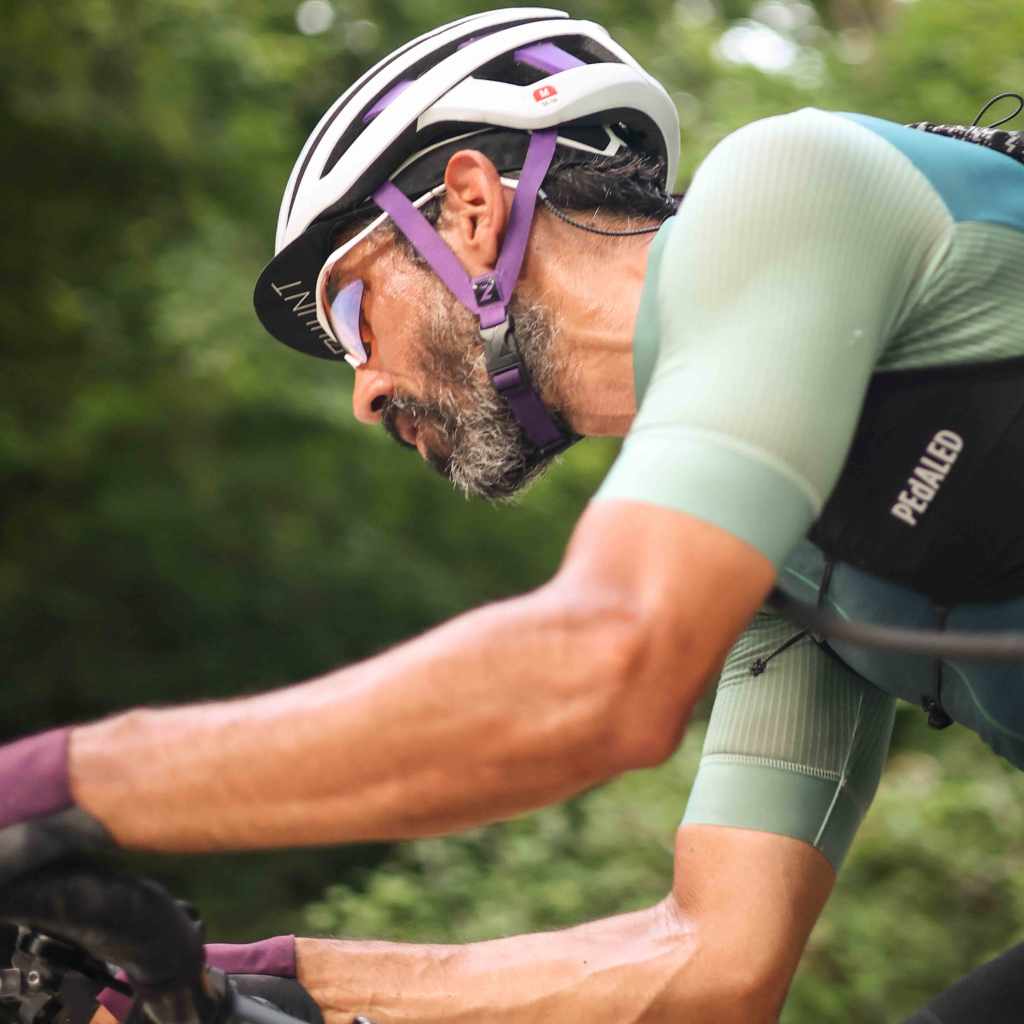
Finally, around 8pm, after a long downhill, I make it to the valley and get to enjoy a couple of hours of rather flat paved roads. I make good progress. As night comes, I check the tracker to see where the chasers are. 3 hours behind. I still have roughly 12 hours of racing. With that kind of gap, I can relax a little bit. I’m at the bottom of the final big climb. It’s almost all paved, but again the gradients are insane. As darkness settles in, I need to stop for a nap. there’s no going around it. 

After sleeping for 10 minutes, I feel energized again. But the previous night was so tough and my lead is so comfy, that I’m determined to stop and sleep for a couple of hours. 

I end up losing quite some time looking for an appropriate place before finding a nice barn with a few old mattresses. It’s weird but I have a hard time falling asleep and it’s definitely not the deep sleep I was counting on. After a couple of hours, I get going again. The finish is not far. But something I was not expecting happened: Christian and Lukas didn’t sleep and they closed the gap I had worked so hard to open. 

The rest of the race is a wild chase with a rare sense of urgency. I’m no stranger to sprint finishes—this time around is actually my fourth, which makes me the ultra racer that’s been involved in the most close finishes. And I always came out on top. I muster the last bits of strength left in my legs and push hard. Full gas to the finish in the Borgoluce vineyard. I reach it first and get showered with prosecco, which, given the heat, feels really nice. I grab the bottle and drink my fill. I did it. I overcame heat exhaustion to win the second edition of Memory Bike Adventure. Lukas and Christian cross the finish line ten minutes after in a joint second position. 
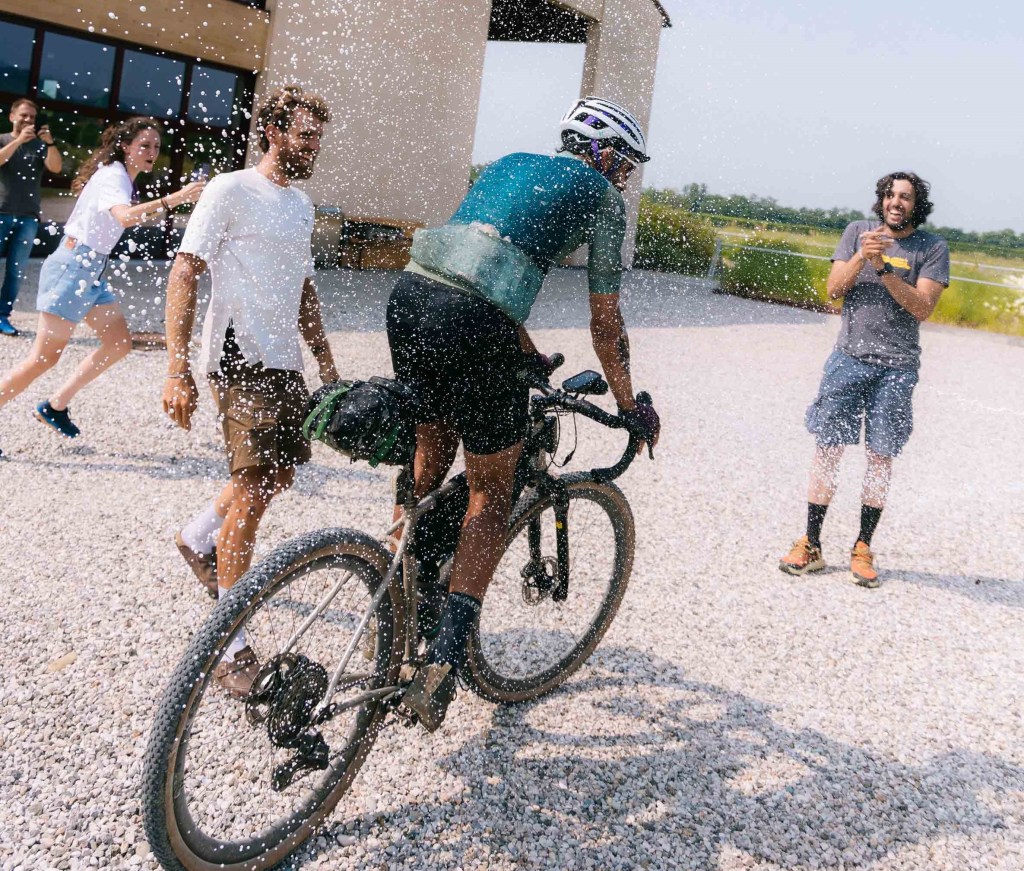
With the scorching heat, the unforgiving steep climbs and the numerous rough gravel downhills, this grueling event saw only four riders ride the whole course far enough to make the cutoff. I’m happy to be one of them. Happy to have seen these places and been part of this unique experience, following in the footsteps of men that fought more than a hundred years ago in the Great War. 
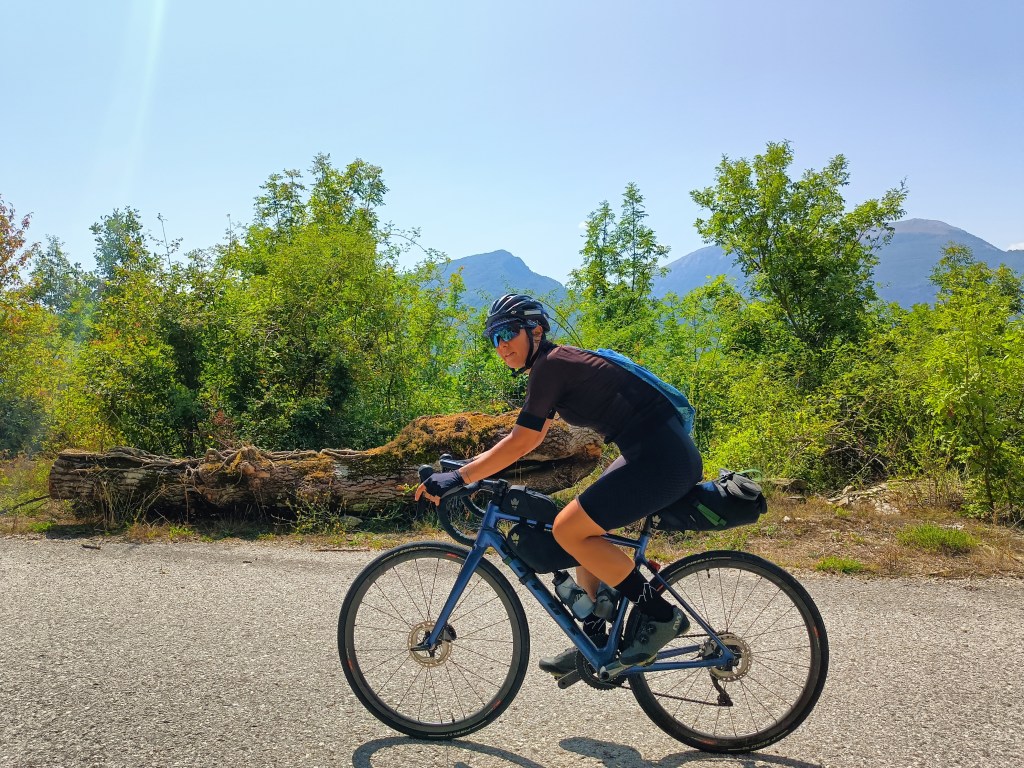
Balkan holiday, or why rush when you could explore

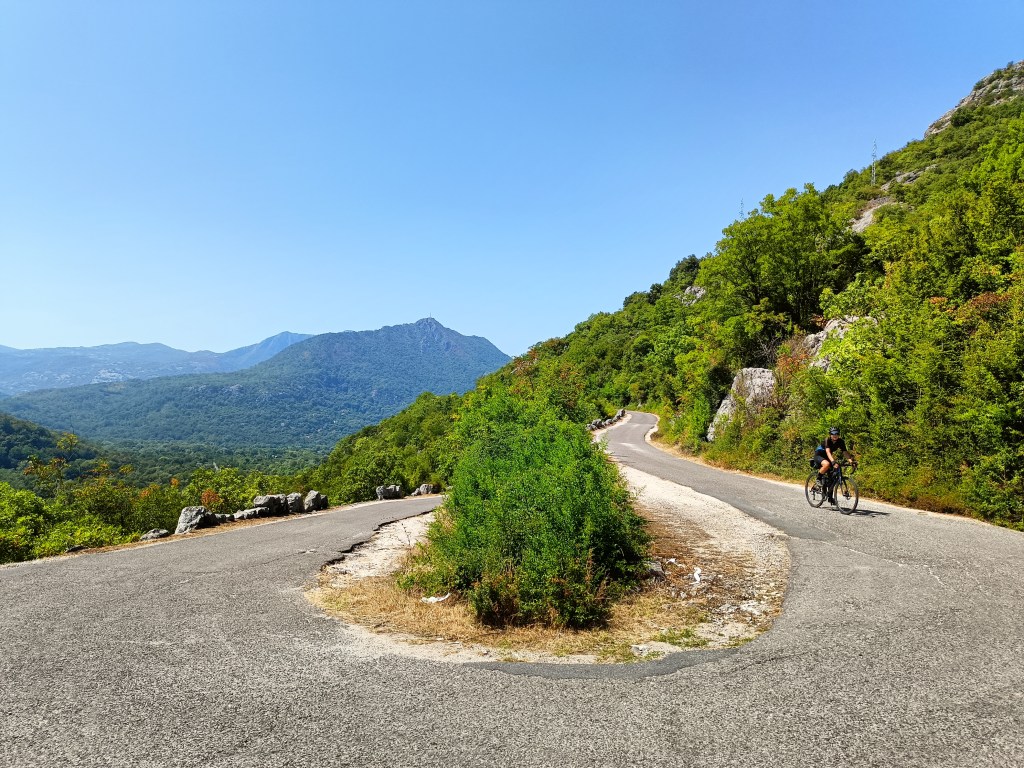
It’s midday somewhere in the mountains of southern Bosnia. I’m in a foul mood as I just got stung by a bee right under my right eye. My whole face hurts and the steep climb seems like it’s never going to end. It’s the sixth day of our trip in the Balkans and all of a sudden, at the unlikeliest of moments, that whole journey starts making sense.

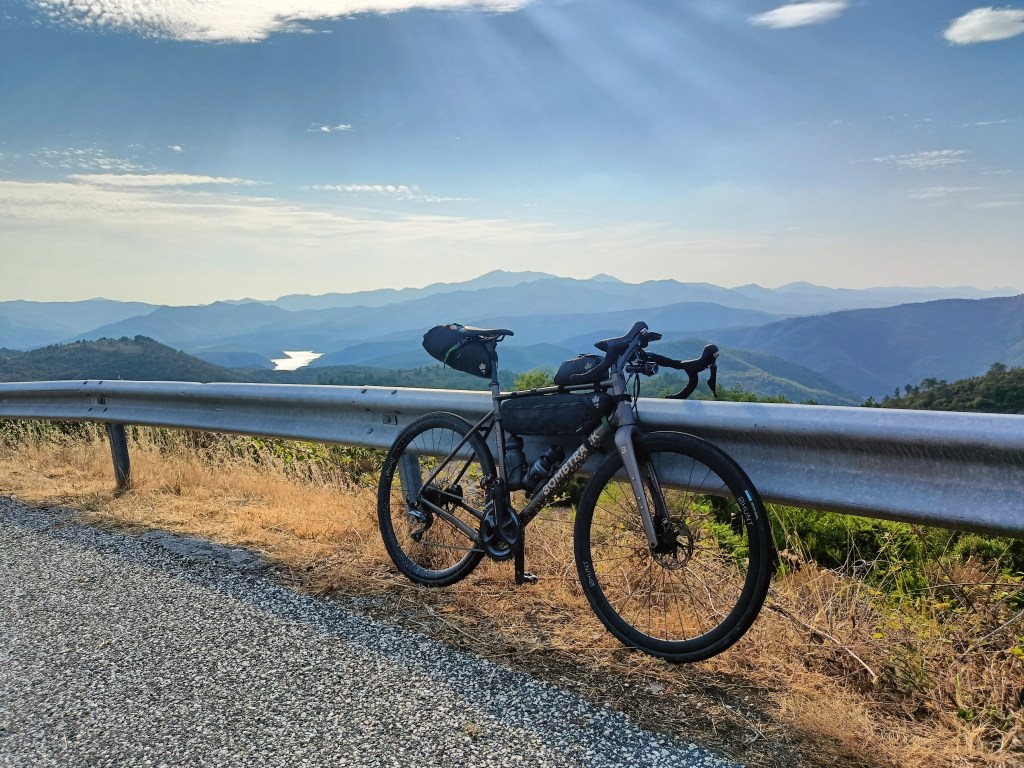
 Starting from Ljubljana, my girlfriend Fanny and I have ridden around 900km to reach this place we never heard about. An unknown pass somewhere, so stunningly beautiful, it gives justification to all the hours in the saddle, the considerable amounts of sweat, the few sketchy stretches of busy roads and the inevitable boring flat bits that we encountered on the way.

I’ve always found that the magic of bike touring is that all you need to make days of effort worth it, is one exceptional, unexpected, unforgettable moment of perfect solitude in a spectacular landscape. We’re just like gold miners crushing tons of rocks for the sake of a few grams of gold. 

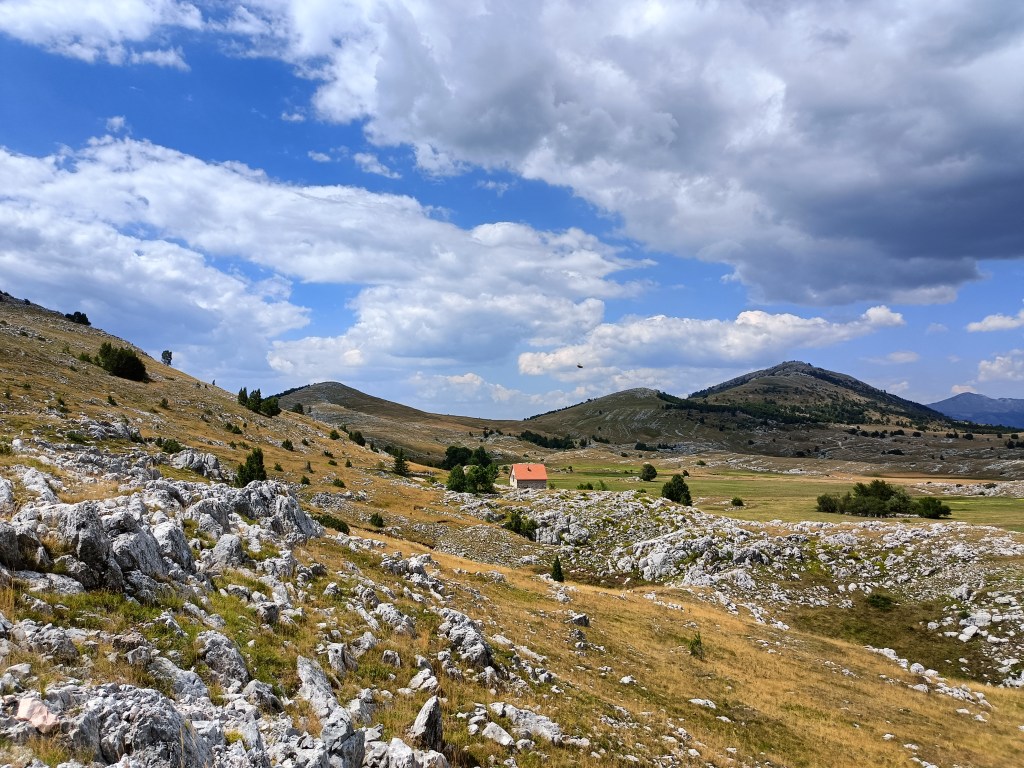
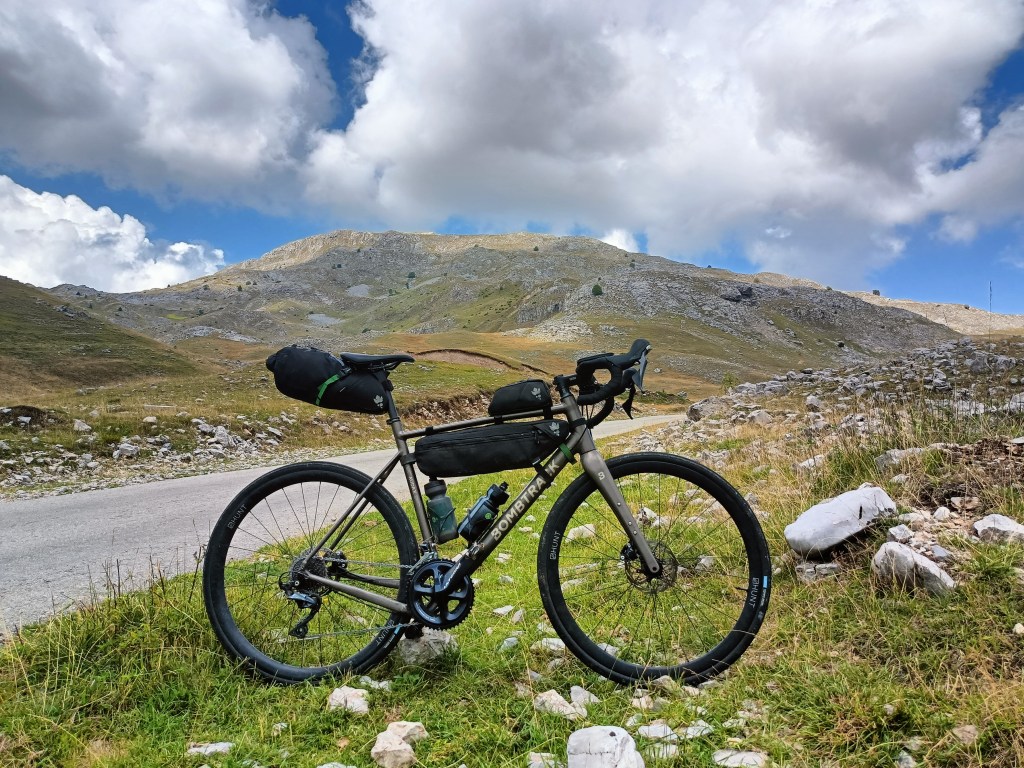
I forget the pain in my face and just let the beauty of the place sink in. It reminds me a bit of Kyrgyzstan in how rocky and devoid of trees it is. It has a different scale of course, not as wide and intimidating, but the same harmony. We get to the top and during the downhill the mountains change one more time. That whole day is just pure bliss. And it ends splendidly, with a long descent in one of the most impressive canyon I’ve ever seen.

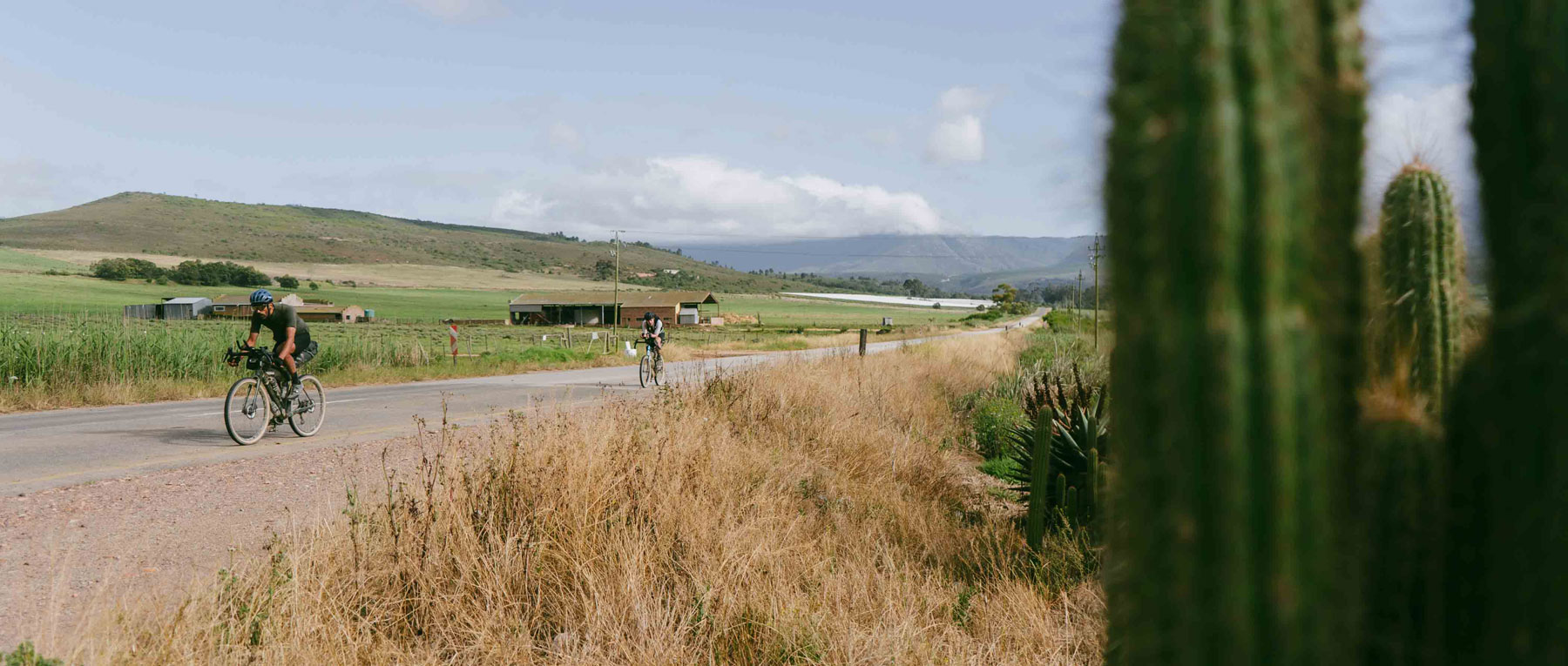
Why did we choose to ride here, in the Balkans? I’m not quite sure. We were not willing to travel far as we only had a couple of weeks. We know France and its neighboring countries fairly well. We were not willing to take the risk to get rained on by going to northern Europe. And I had fond memories of my time in Slovenia 9 years ago. So we decided for the Balkans. 

The first few days were nice but honestly nothing to write home about. Northern Slovenia is much more scenic than south of Ljubljana. Our short stint in Croatia didn’t have that wow factor either, though it was quite interesting. Our first two days in Bosnia were a bit better but not still quite good enough. And everyday, while I was riding, I couldn’t help but wonder if we should have stayed home to take care of our new house. When our hometown was Paris, any bike trip was an improvement compared to our daily life. But now that we settled in a beautiful part of the French countryside, we need stunning landscapes even more. 

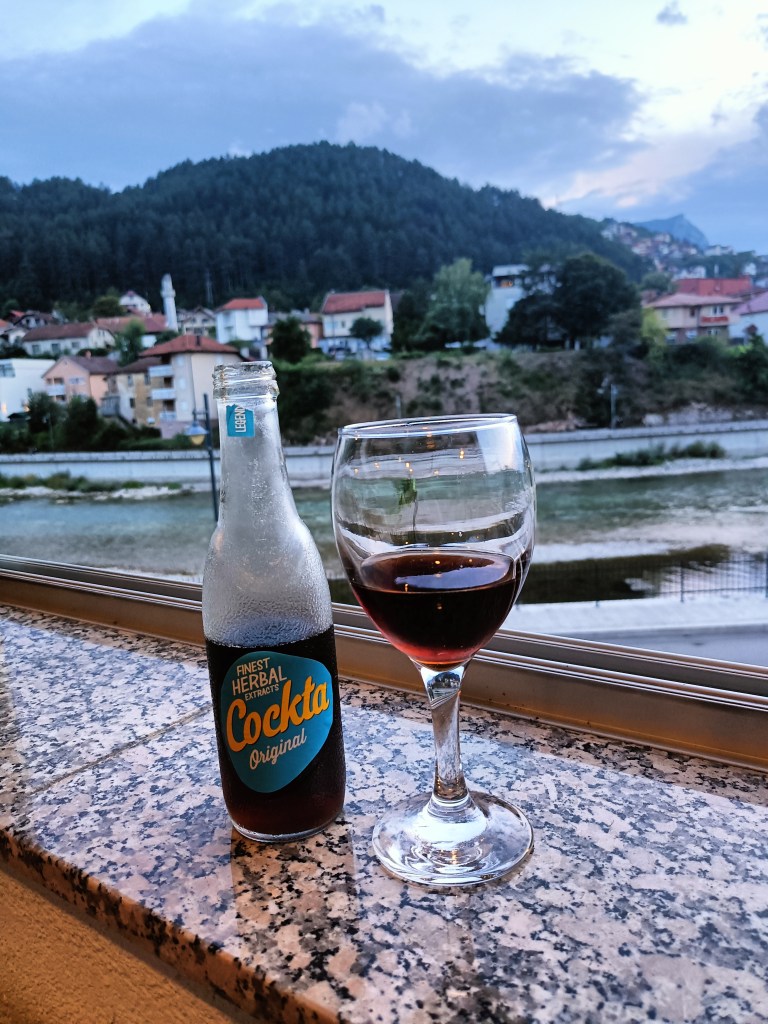
And so after 6 days, we found them. Starting from Konjic and riding to Foca, we encountered a variety of mountainous landscapes that blew us away. The next day really hit the spot too. Riding out of Bosnia, into Montenegro, straight to the Durmitor National Park. We knew this ride would be a highlight of the trip and it didn’t disappoint. The amount of climbing was insane but it was well worth it. Montenegro kept delivering after that. Empty mountainous roads, high peaks as far as the eye can see, remoteness and wilderness. 

At this point, there was no doubt in my mind that we had made the right choice to spend our holidays bikepacking rather than doing home improvement. The places we’ve seen undoubtedly rank among the most beautiful in Europe. Not only that, they’re also as lonely as it gets on a continent so populous. Montenegro impressed me so much that after just one day there, I already wanted to come back. 

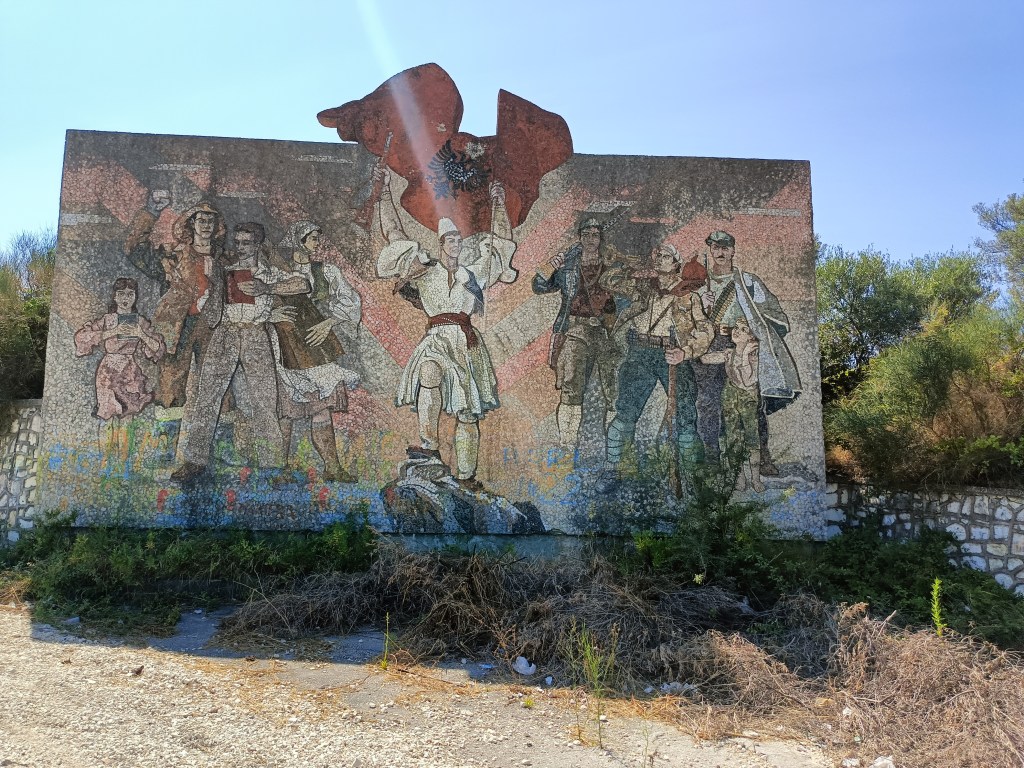
After three days there, we crossed into Albania where more mountains were waiting for us. We immediately noticed a change as we entered the first nation of our trip that was not a former Yougoslavian republic. A change in culture, but also in landscape. Different mountains, gentler climbs. Not as spectacular as what southern Bosnia and northern Montenegro had to offer, but still scenic enough for a great day of cycling. Once again, the higher we got, the less people we saw. Riding on roads that see virtually no traffic now that there’s a motorway connecting Albania’s major towns. 

We rushed through Albania like we rushed through all the other countries. First the mountains then the coast. We like moving fast, covering distance, seeing things change quickly. Seeing a little of many countries rather than visiting one thoroughly. I’m not sure why. Sometimes it feels a little wrong. Montenegro was so beautiful and empty that I wanted to see more of it. Albanians were so friendly and welcoming that it seemed rude to not spend more time there. Time we didn’t have… 

In Bosnia, we met a bikepacker that had been on the road for nine months. And while I know I would not enjoy being on the move for so long, I was kind of envious of the opportunity he had to just explore more when he found a place he particularly liked. But there’s also a sense of accomplishment in seeing the line on the map grow longer at the end of each day. In the end, while I truly don’t know what is better, I’ve made my peace with the fact that I am one that rushes through places rather than one that takes the time to really explore them. Because there is a euphoria in movement. And because I’m always curious to see how much things can change when we cross these imaginary lines we call borders. 

We did however give an area a bit more time. After riding 200 km along the Albanian coast, we hopped on a ferry to Brindisi. For the last few days of this trip, we explored Puglia, riding close to 400 km in the heel of the Italian boot. But that’s a different story. One about having an actual vacation after a wonderful but intense and tiring exploration of the balkanic peninsula. I don’t think it’s a story that I will one day tell. It’s a love story rather than a travel tale. And while I do enjoy telling you about my two-wheeled adventures, I think I’m just a bit too shy to write about what goes on once the rides are over. 

The Bikepacking diaries: Thailand, Laos, Vietnam

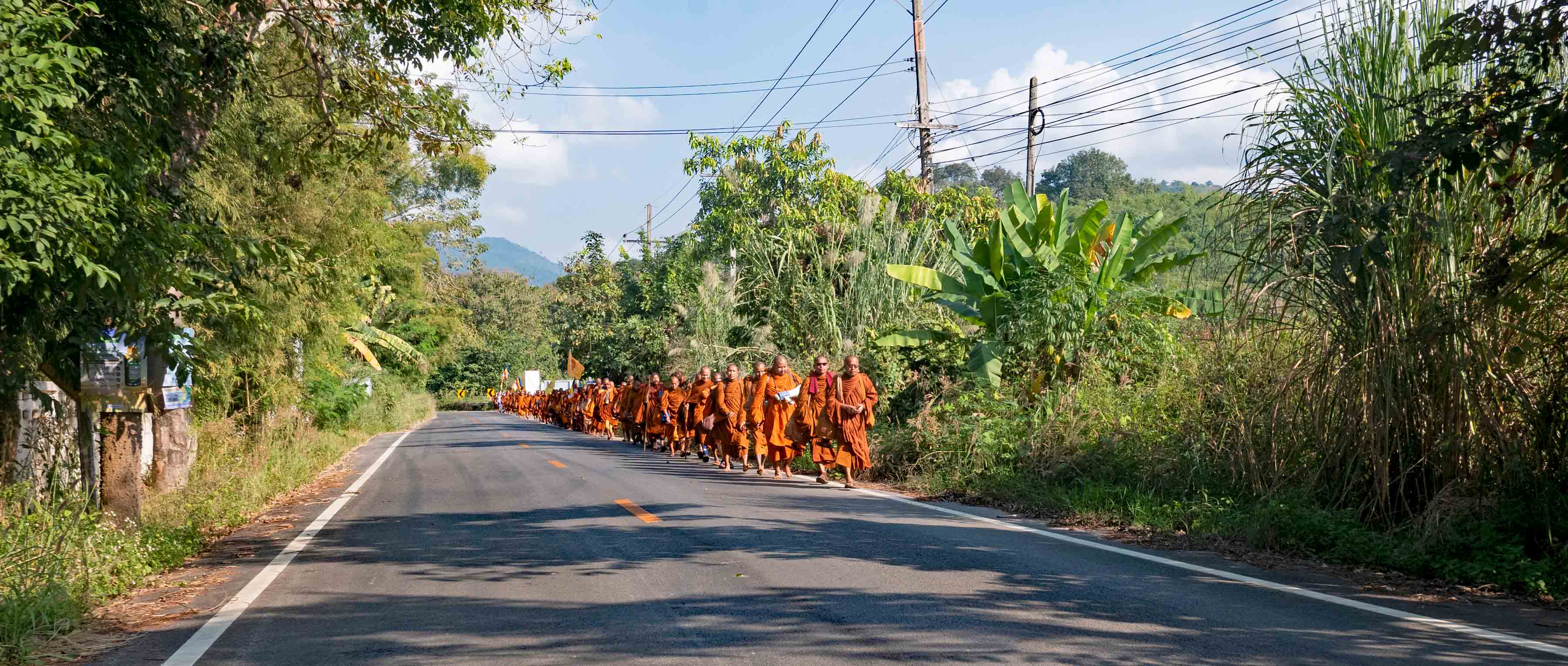
Roughly fifteen years ago, my life took a turn for the better. I went to Laos and bought a second-hand mountain bike in a rental shop. Equipped with this old clunker, I set out to explore the mountains of Indochina. It was here that I discovered bike touring and fell in love with this hybrid version of travelling and cycling. At that time, I had no experience as either a solo traveller nor as a cyclist – I was nothing but a rookie backpacker who wanted a bit more out of his first trip far from home. This made the journey a bit more challenging, but also much more adventurous. 

“Partway into the train journey, we decided to ride the rest, despite the jetlag”

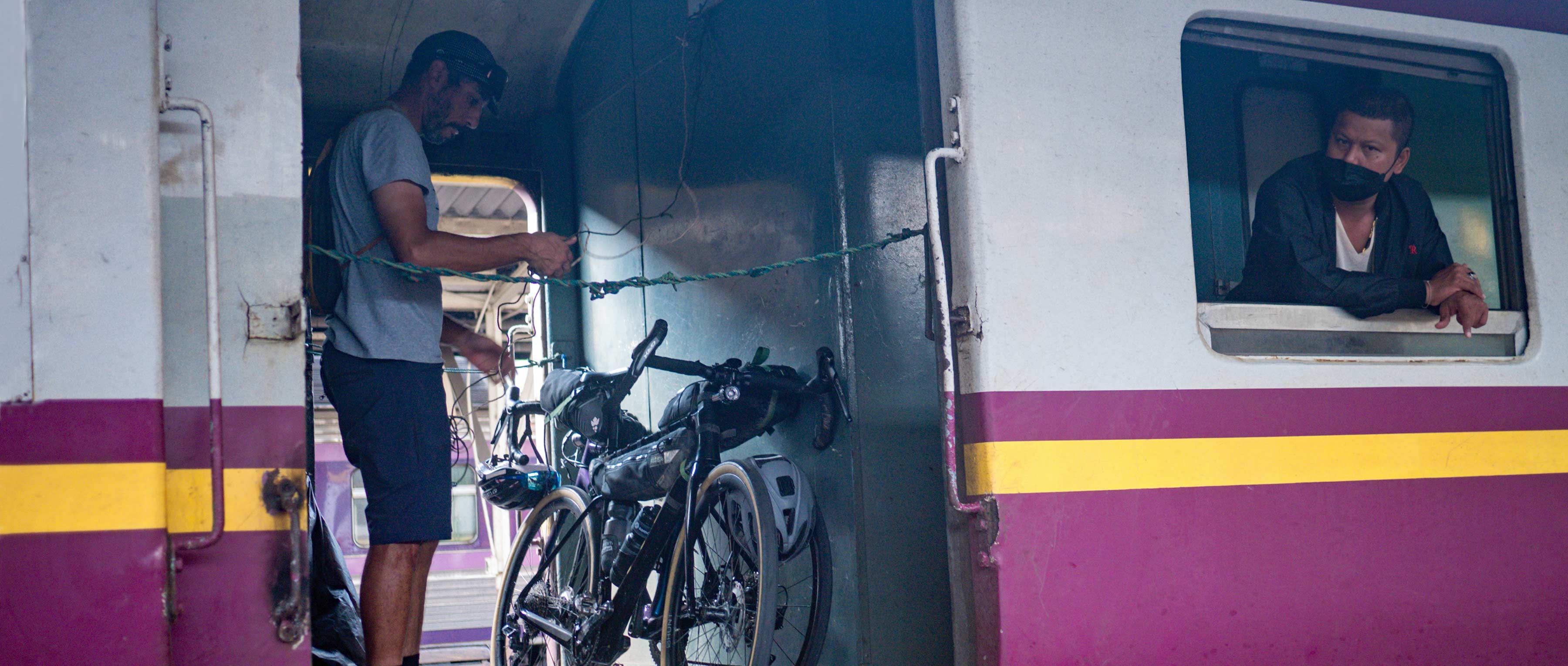
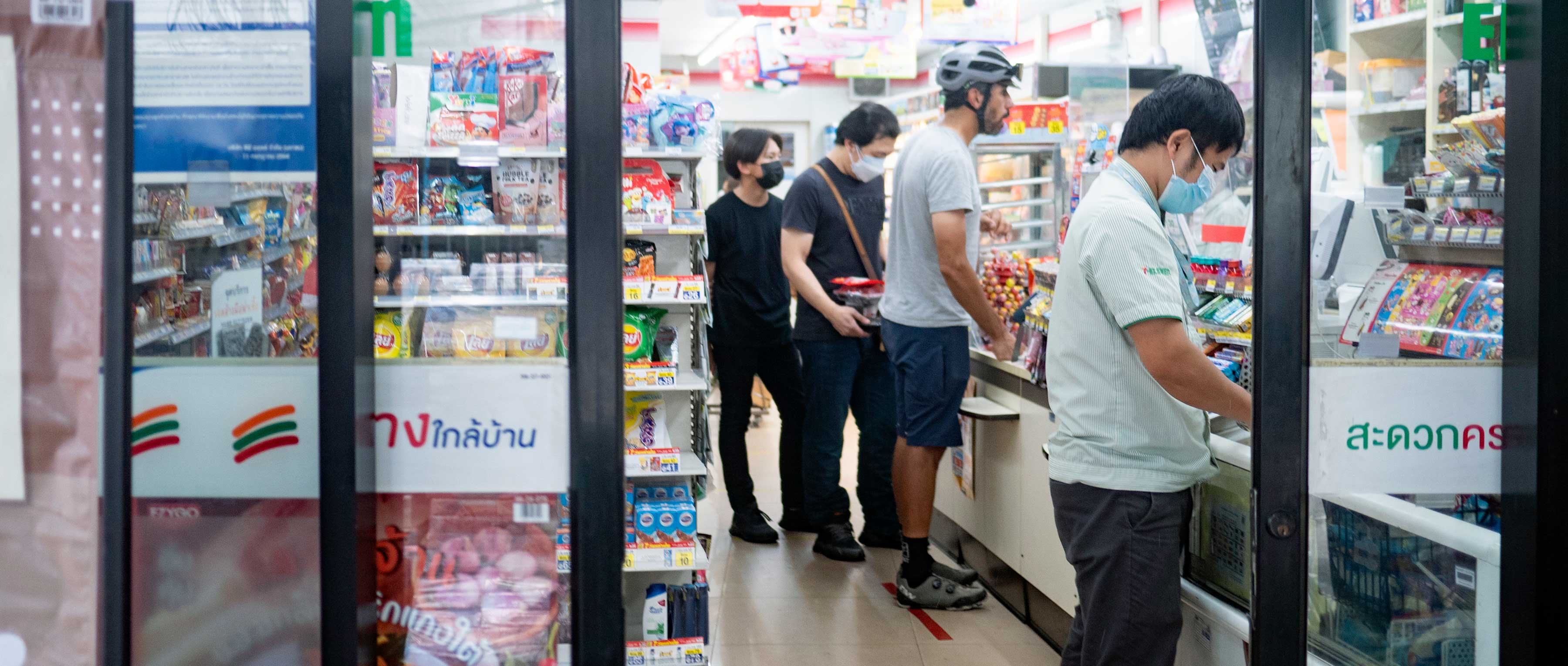
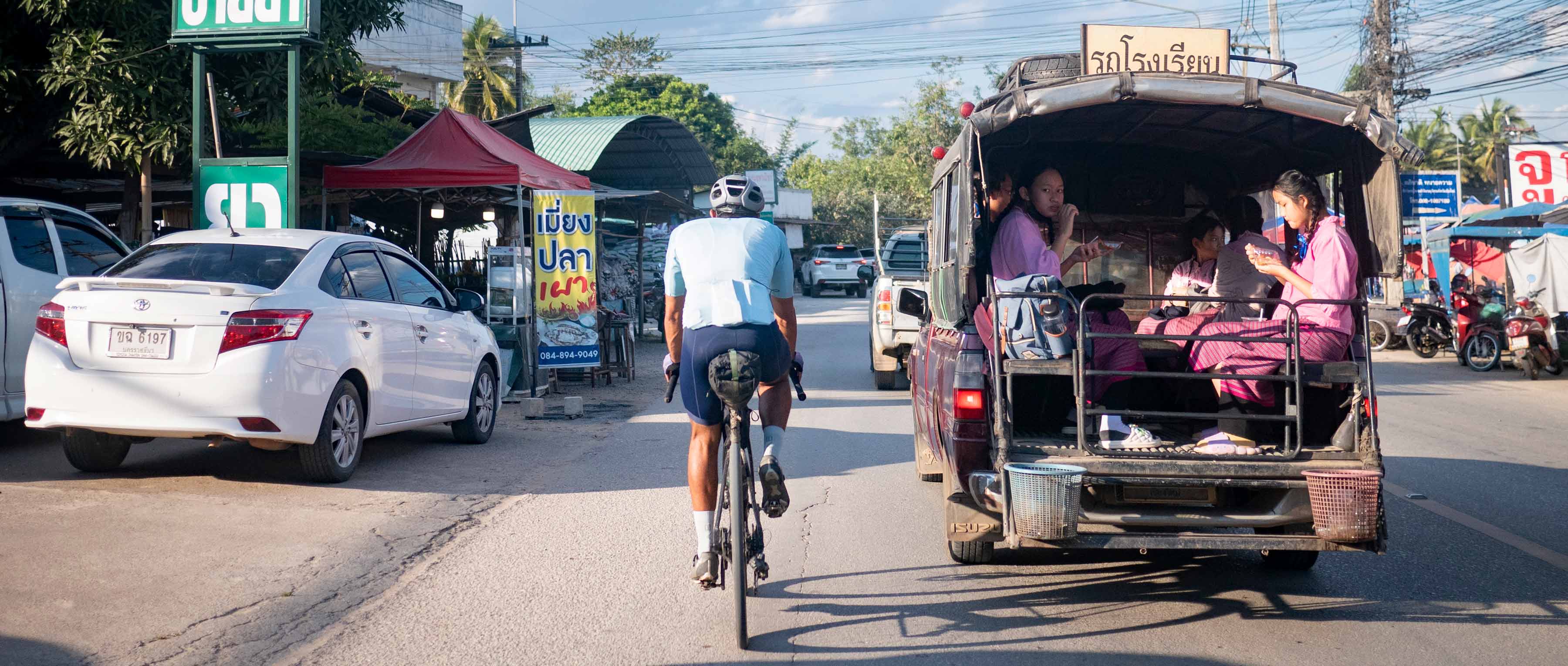
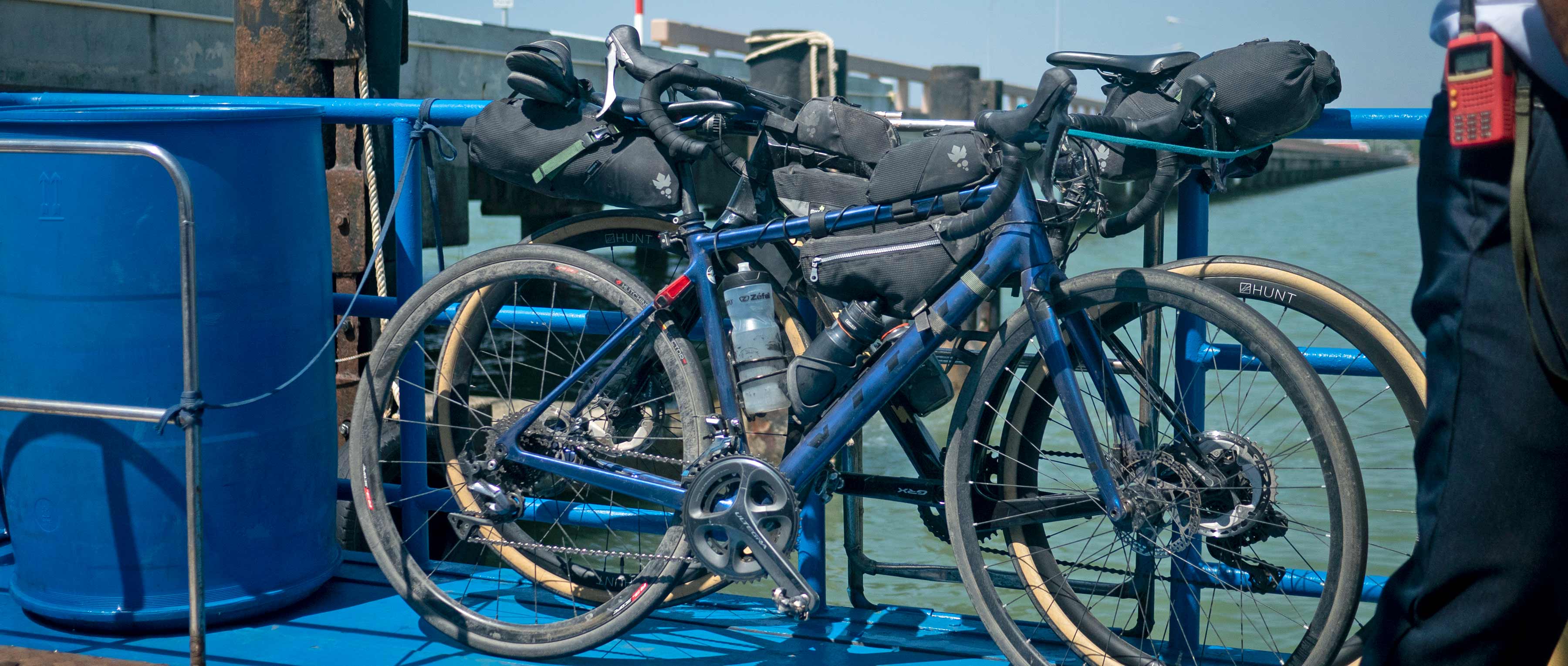
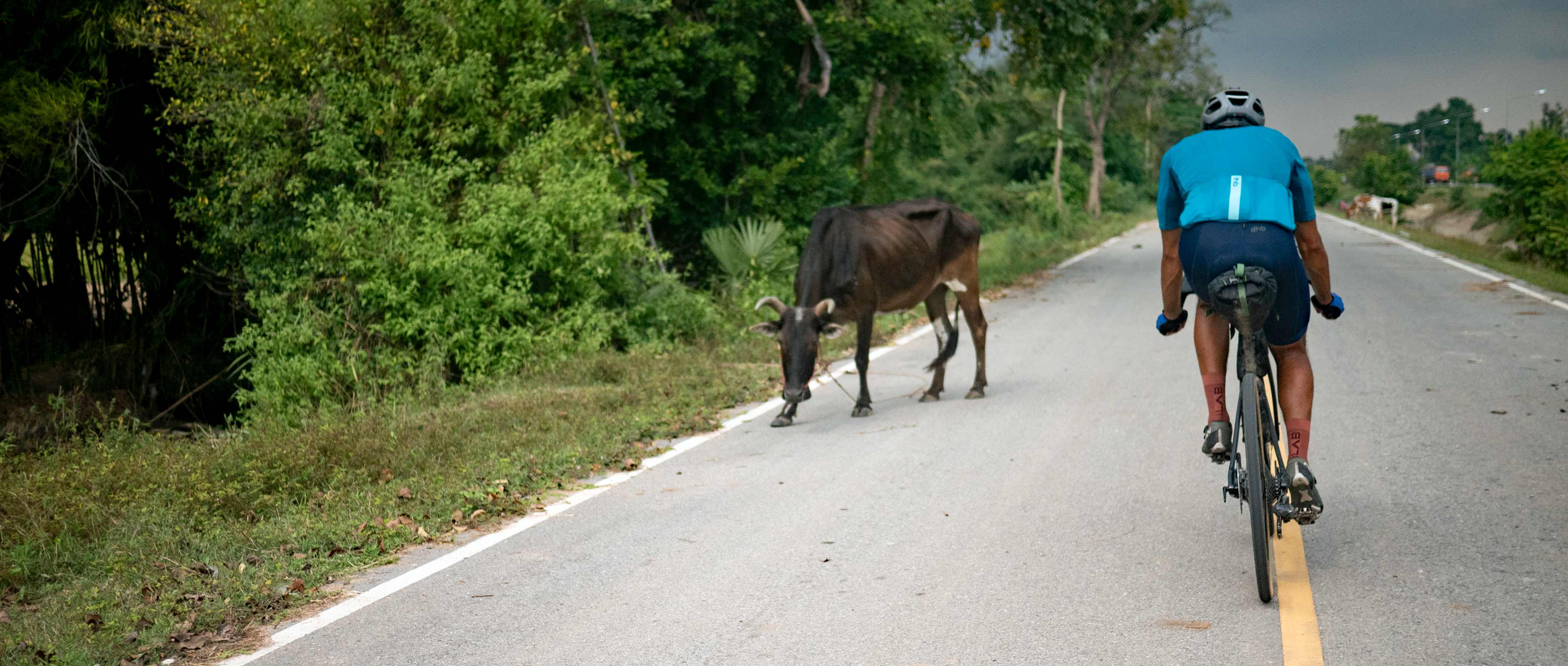
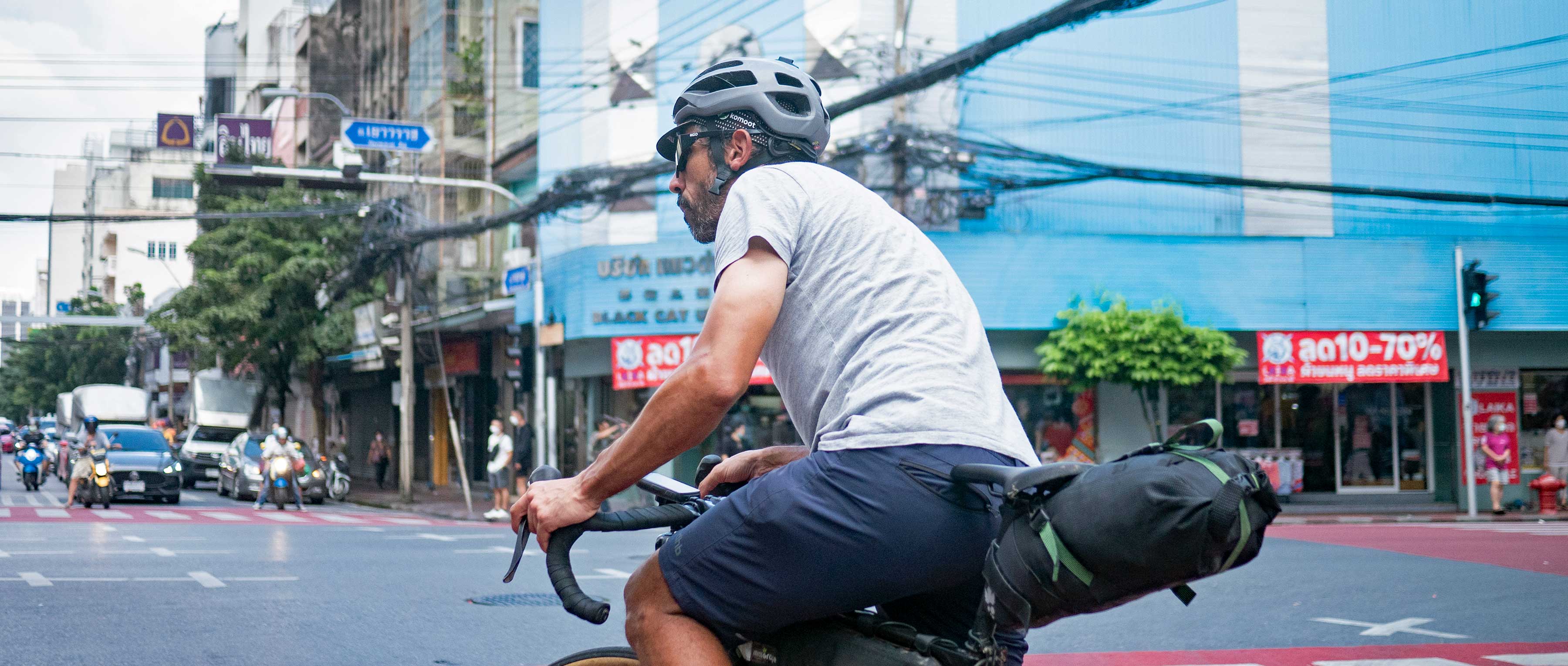
Last winter, I went back to South East Asia to show my girlfriend Fanny my favourite places in this part of the world. This time around we had proper bikes. We landed in Bangkok and decided that we wanted a bit of a seaside holiday before tackling a pretty long bike tour. Our plan was to hop on a train down to the peaceful town of Prachuap Khiri Khan, which is not that far from Bangkok, but Thai trains are slow and we’re not very patient. In the end, partway into the train journey, we decided to ride the rest, despite the jetlag. 

For me, trains are the second-best means of transportation (after bikes) when it comes to travelling. Especially in a country like Thailand, which has a good network and somewhat reliable schedules. We enjoyed this first stint on the railway but, after a few hours, we were eager to ride our bikes.

Bikepacking in tropical climates is not without its challenges. Obviously, the main one is heat and then add in 90% humidity even on cooler days and you’ll admit it sounds pretty uncomfortable. But despite the conditions, I can’t imagine a better way to get a feel for what a country is about than by cycling through it. 

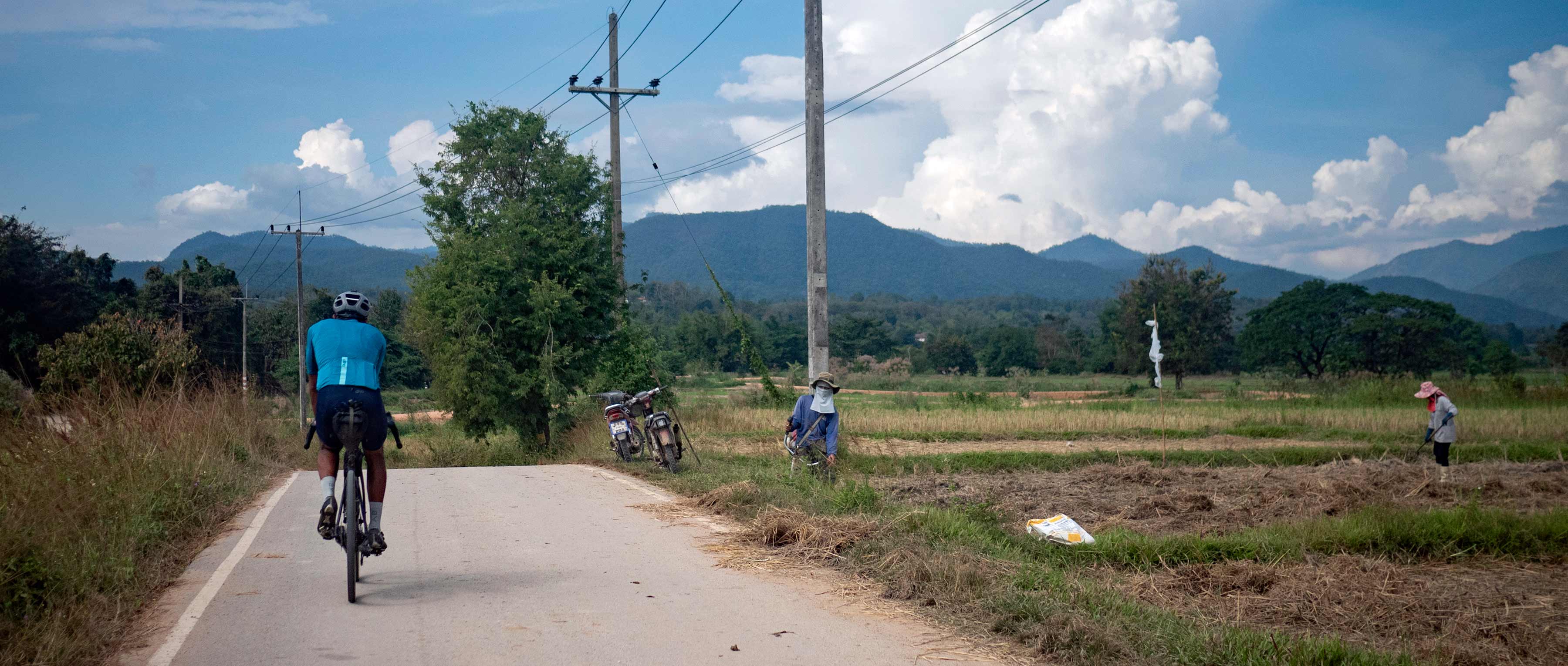
Firstly, riding lets you map out the most accurate picture of a country’s geography and terrain. We found out that western Thailand is as flat as a pancake. These were seriously some of the flattest roads I’ve ever ridden and it made a good preamble to the climbing fest that the Chiang Mai and Mae Hong Son provinces had in store for us. Once there, our route took us all the way to the top of Doi Inthanon at 2,557m. The climb lasted 22km with an average gradient of 8.6%, so calling it challenging would be an understatement. Doi Inthanon is a mega climb and it’s by getting up there using solely the power of your own two legs that you realise how tall Thailand’s highest mountain really is. 

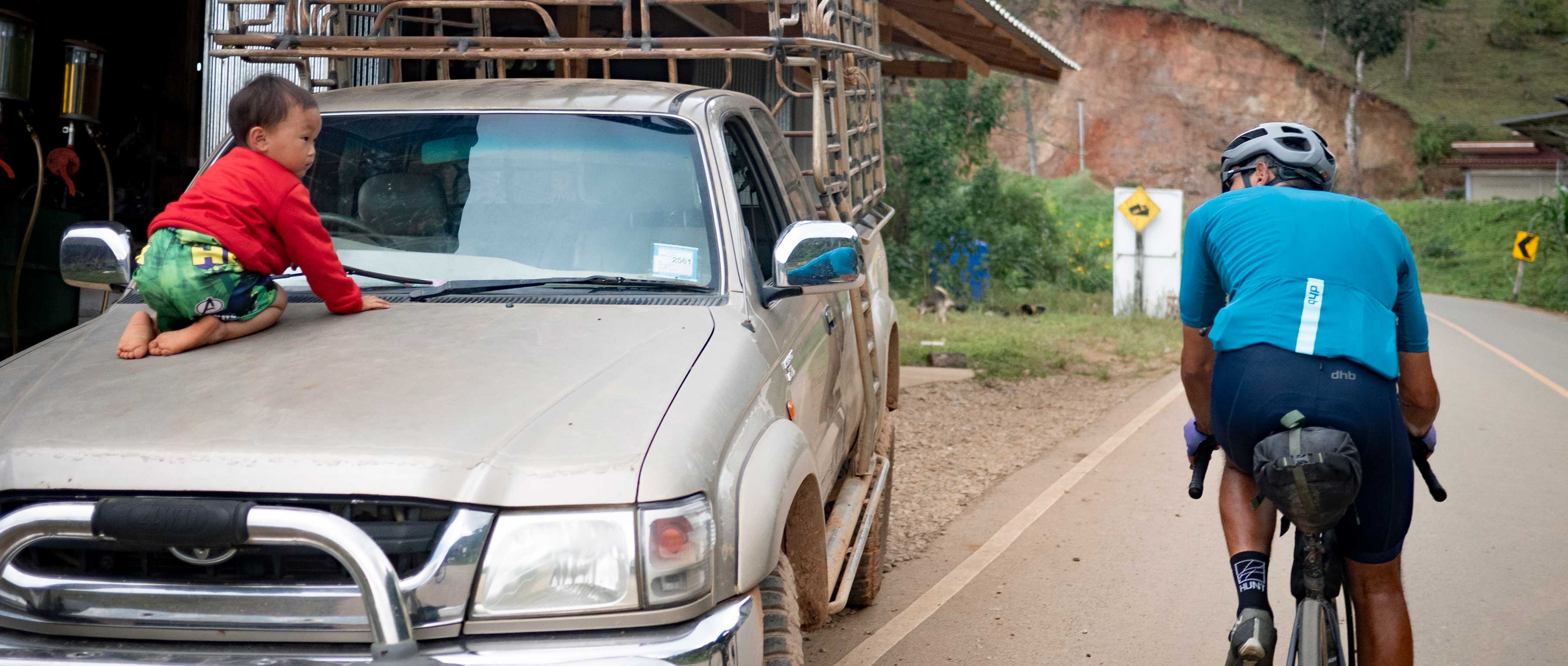
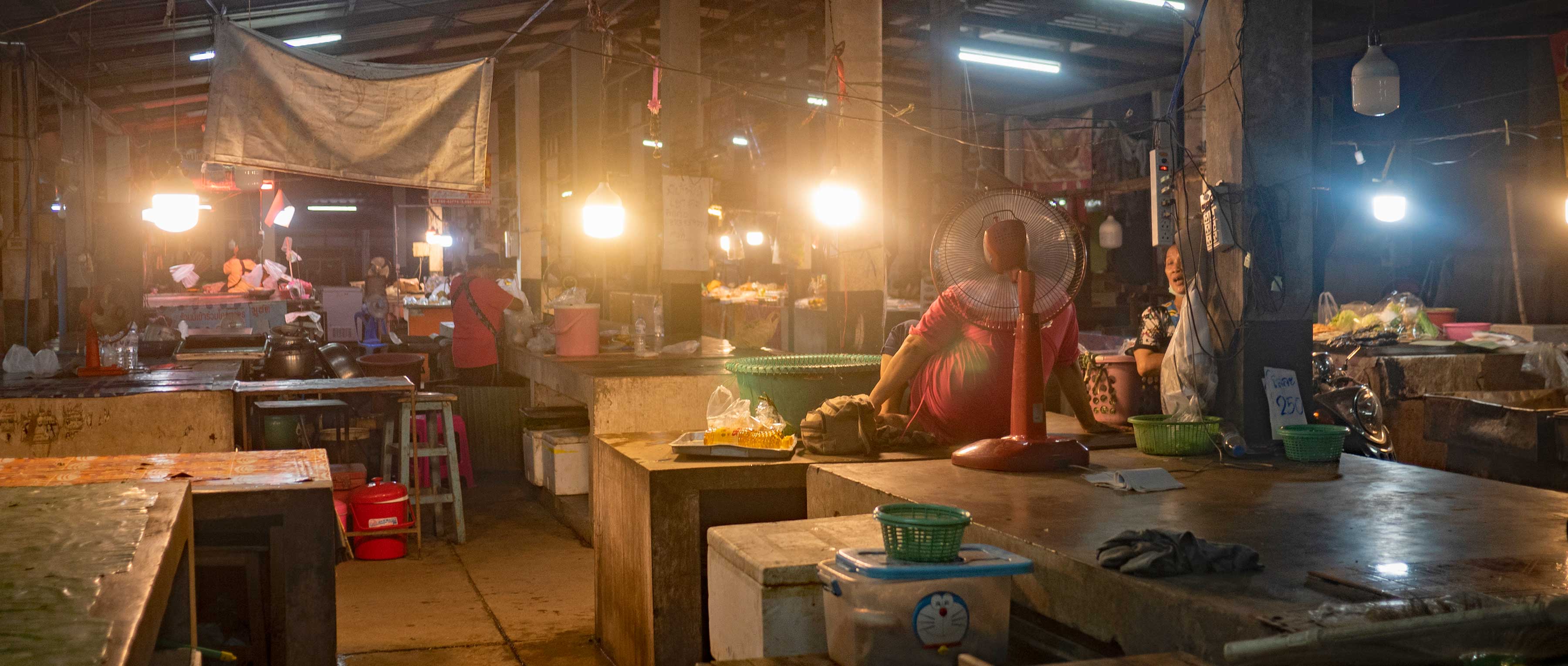
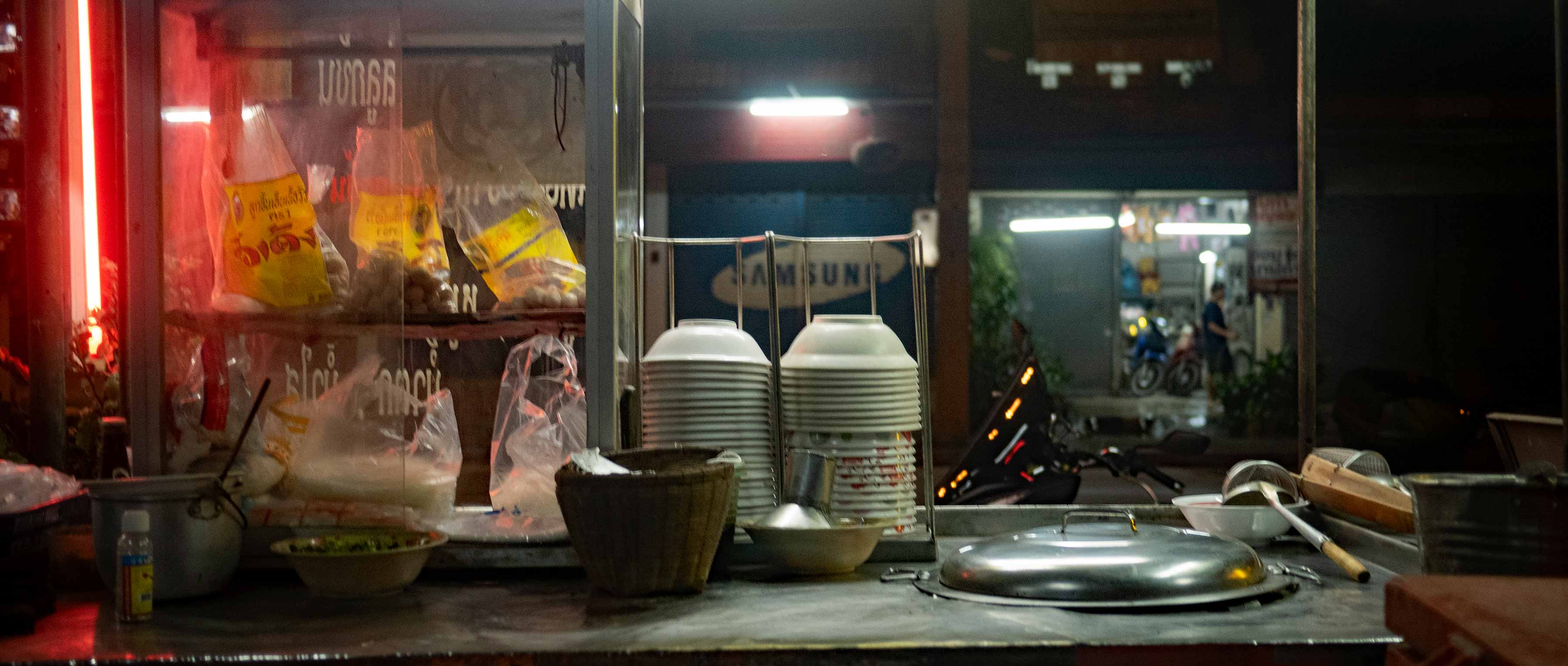
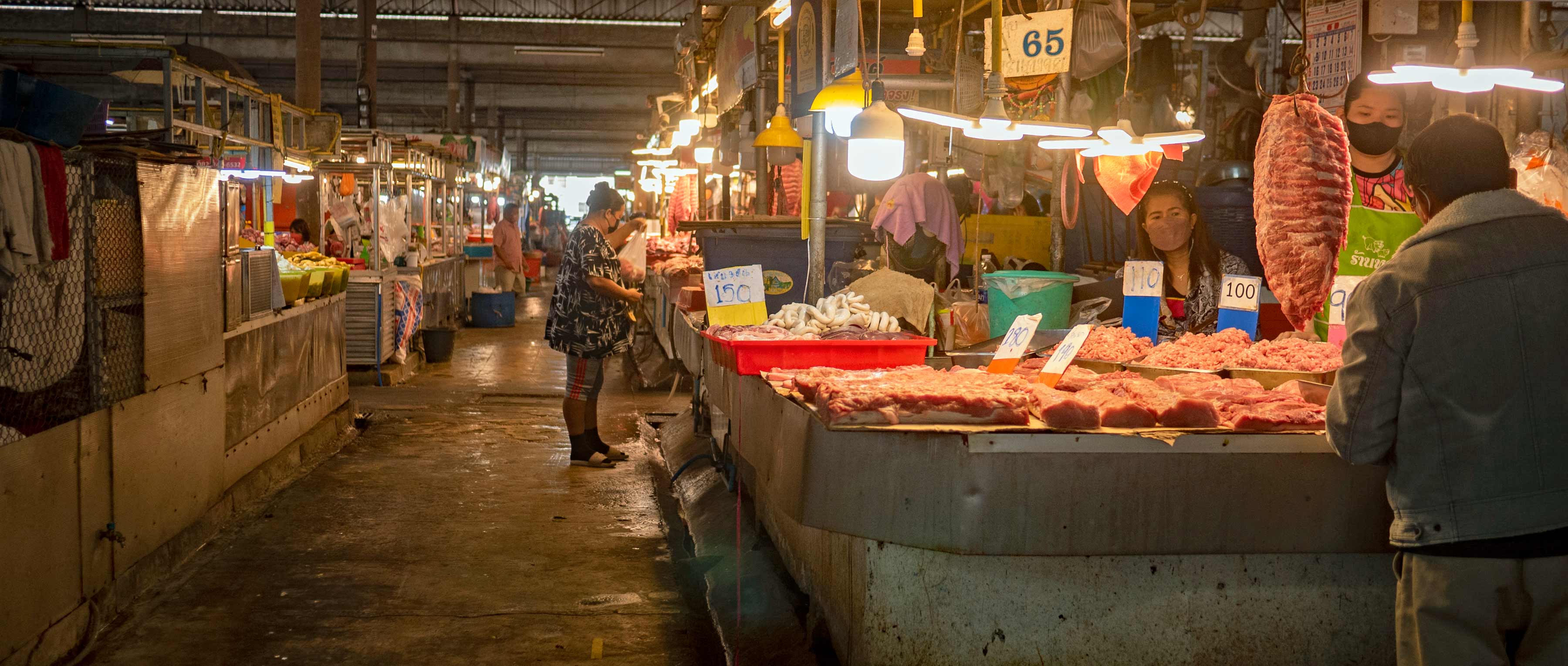
But perhaps the greatest gift a bicycle gives you during your travels are the random, nondescript places where you end up stopping to eat or fill up your bottles. These tiny villages where they seldom see foreigners have local eateries where you’re not quite sure what you’re going to end up munching on. 

Buses, cars and trains usually take you directly to the main spots – the white sandy beaches of the Andaman sea, the ruins of Sukhotai, the bridge on the River Kwai, the temples of Chiang Mai… Sure, all of these are worth seeing, but they’re also the spots where you’re lost among the other tourists. The places that lack authenticity because they cater to people from all over the world. 

For me, there is nothing quite like the small towns that go unvisited by tourists. The bicycle is unrivalled as a means of transportation in that it not only takes you to where you need to be, it also justifies your presence here. You don’t need to fill up your time with activities you picked in a guidebook. Sure, you can if you want, but if you don’t really care about the caves, the stupas or the other tourist attractions – the riding will keep you busy. And whatever time you’re not spending in the saddle, it’s pretty much guaranteed that you’ll spend it eating. 

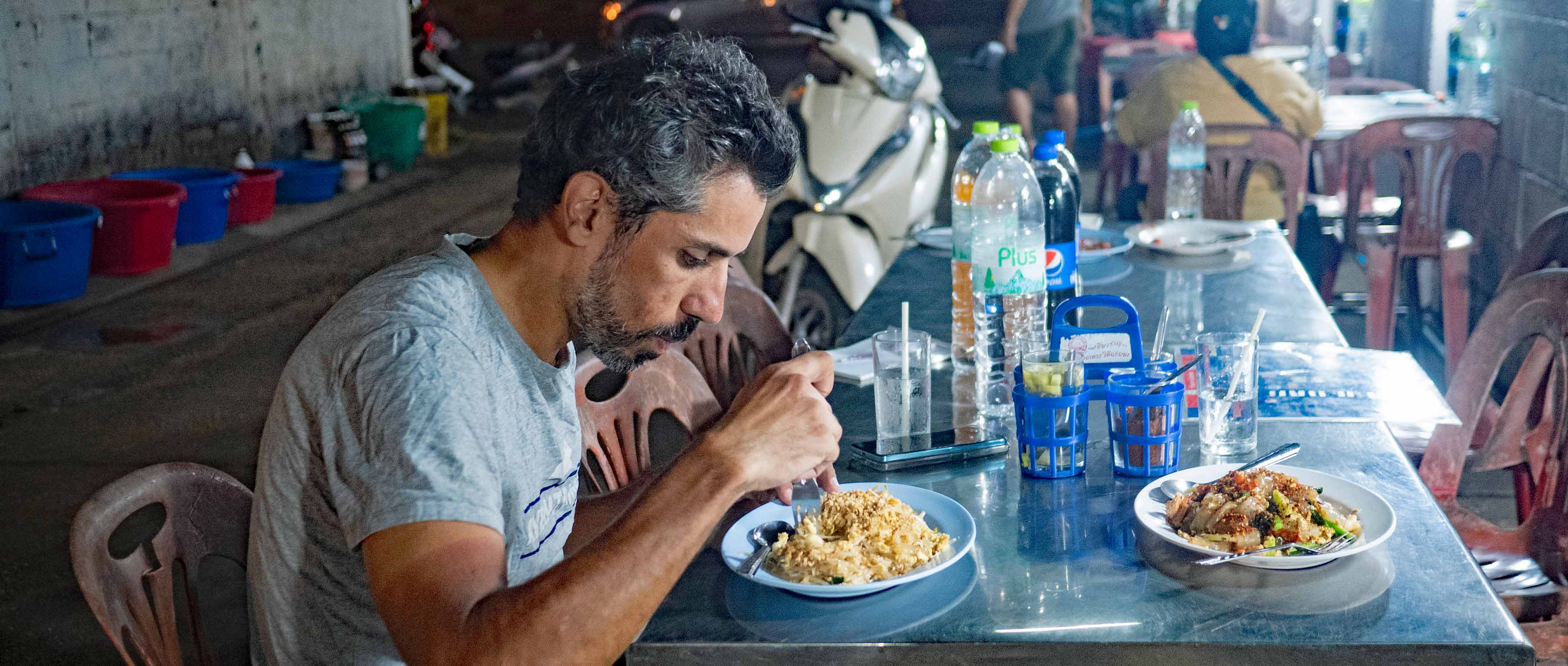
Now you can rejoice because it’s no secret that Thai cuisine is one of the best in the world. And with numerous stops, we had the chance to sample a wide variety of dishes besides your typical fried rice and pad thai. Most of the time for the better, but sometimes for the worst. Thai food is not only one of the best in the world, but also one of the spiciest. And while touristy spots know how to accommodate western palates, food stalls that cater only to Thai people will give you a taste of the real heat that some of these dishes pack. Once or twice, the level of spiciness brought actual tears to Fanny’s eyes. After I taught her to say not spicy in Thai (“mai phet”), things got a bit better. 

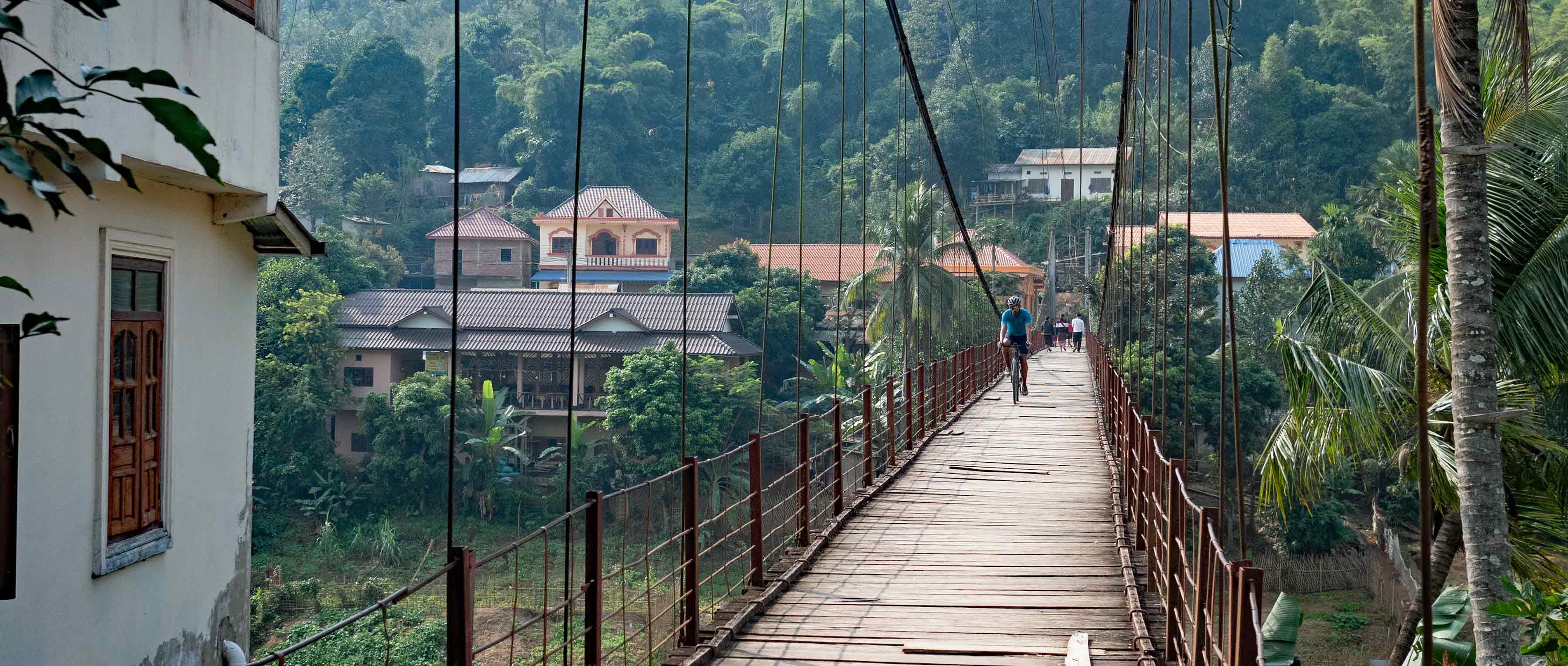
After three weeks, our trusty steeds brought us to Laos and reminded me how crossing a border on two wheels will always feel special. After significant time spent pedalling, anything that materialises the distance covered is always welcome. And even if I’ve spent more days bikepacking than I can count, I’m still amazed by how far a machine as simple as a bicycle can take you. 

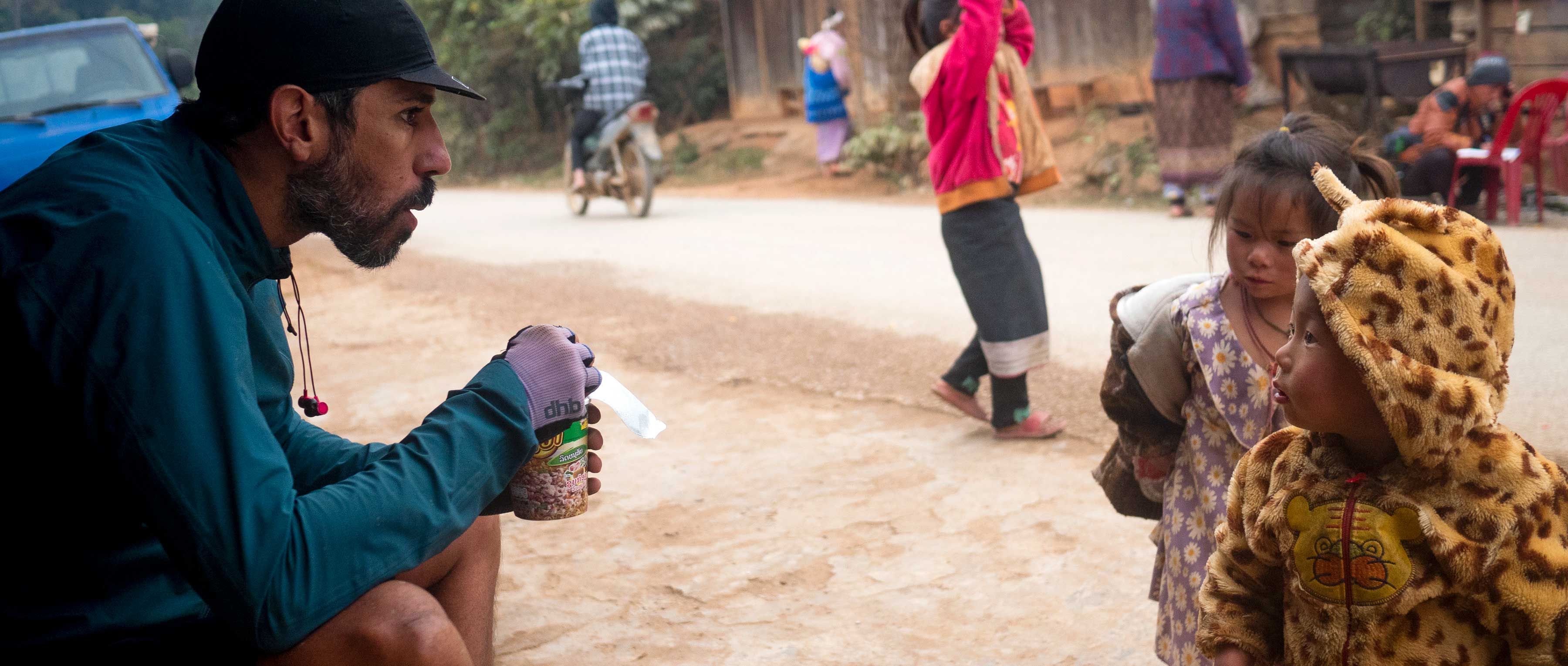
While Thailand and Laos have similar languages and cultures, they are very different in terms of wealth and population density. Laos is poorer and more sparsely populated. But with only a handful of roads and very few cars, it is a dream come true for biketourers. It may, however, not be so dreamy for foodies. The many villages that scatter the roads connecting the major towns, and therefore typically the places where you stop for lunch, offer limited options. Sticky rice and fried eggs is your best bet. When even the simplest of meals is not available, you can resort to a bowl or two of instant noodles aka the true lifesaver. 

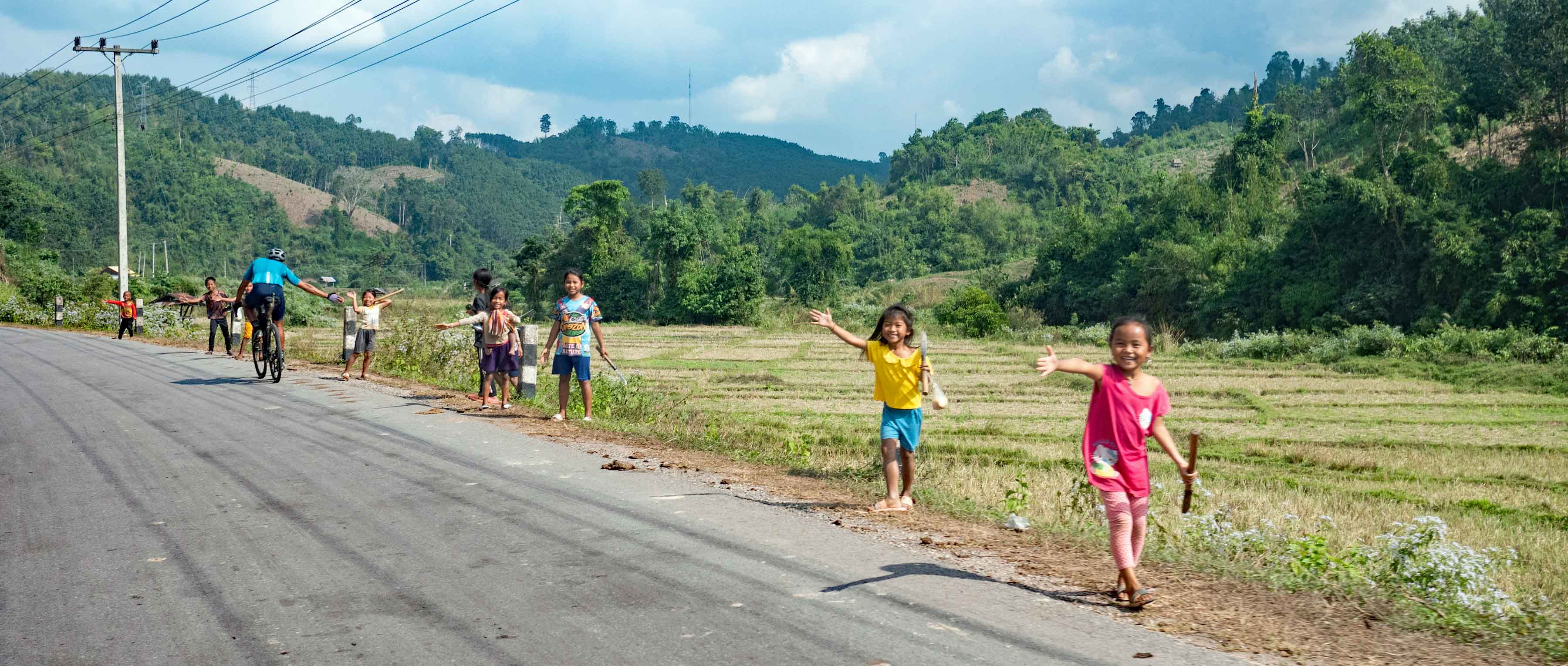
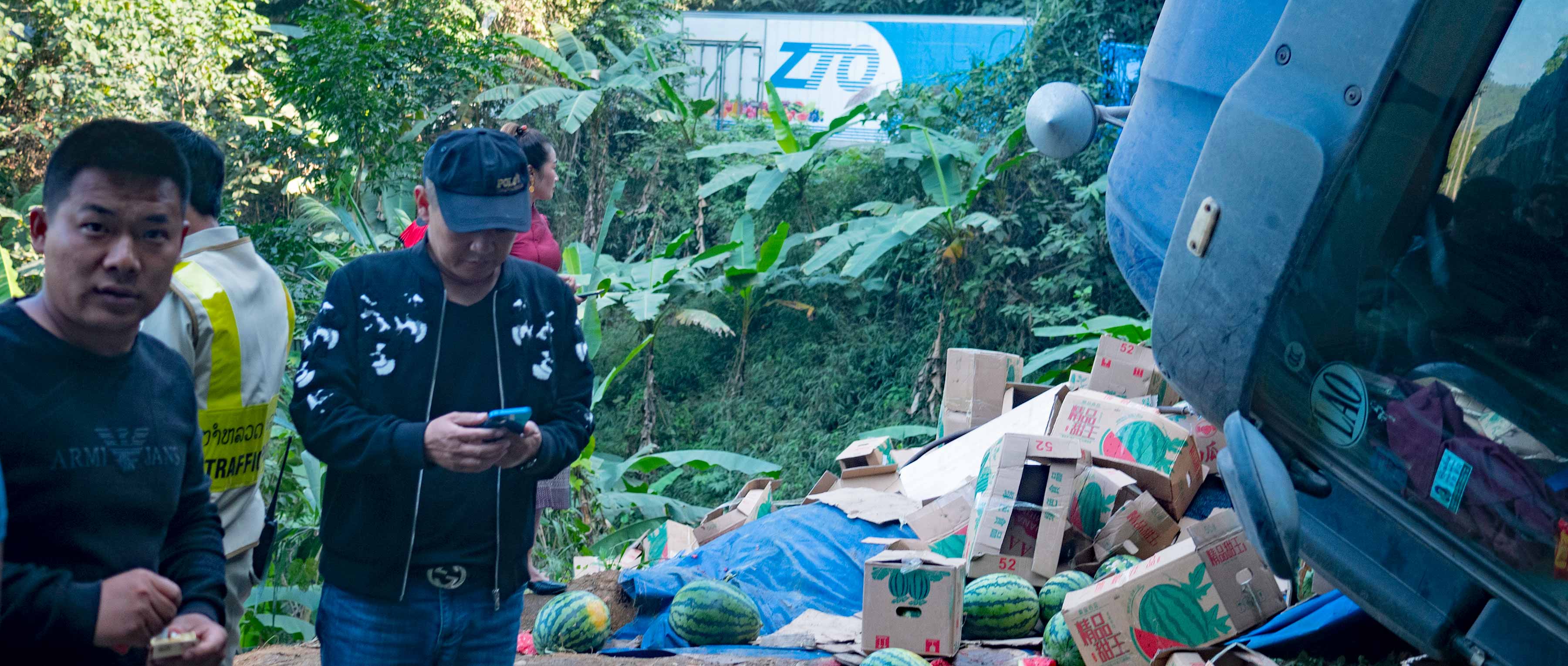
Again, thanks to the bikes, you come in close contact with the population. You get a glimpse into the life of the village. The men building a bamboo house or butchering a cow. The women carrying the firewood or washing their sarongs in the river. Life is slow in Laos and the pace of a bike seems to be in perfect harmony with the country. On our way out of the village of Luang Namtha, we passed a huge traffic jam caused by a watermelon truck which had tipped over. Everyone was calm, patiently waiting for the situation to be taken care of, which in all likelihood would take several hours. Snaking between cars and trucks with our bikes, we only lost a few minutes – had we been in a bus we probably would have lost half a day. 

Making quick work of northern Laos, we found our way to Vietnam. After the bridge-based border crossing as we entered into Laos, this time we crossed a border at the top of a pass. Border guards were efficient and we entered the country in no time. Our first stop was Dien Bien Phu, a place where Ho Chi Minh’s army defeated the French colonialists on their way to independence. While I’m French, my family comes from Algeria, a land that has also been colonised. So being here, where a people who had been exploited for decades finally defeated their oppressors on their way to freedom, was pretty emotional for me. Dien Bien Phu felt like a place of victory rather than defeat. 

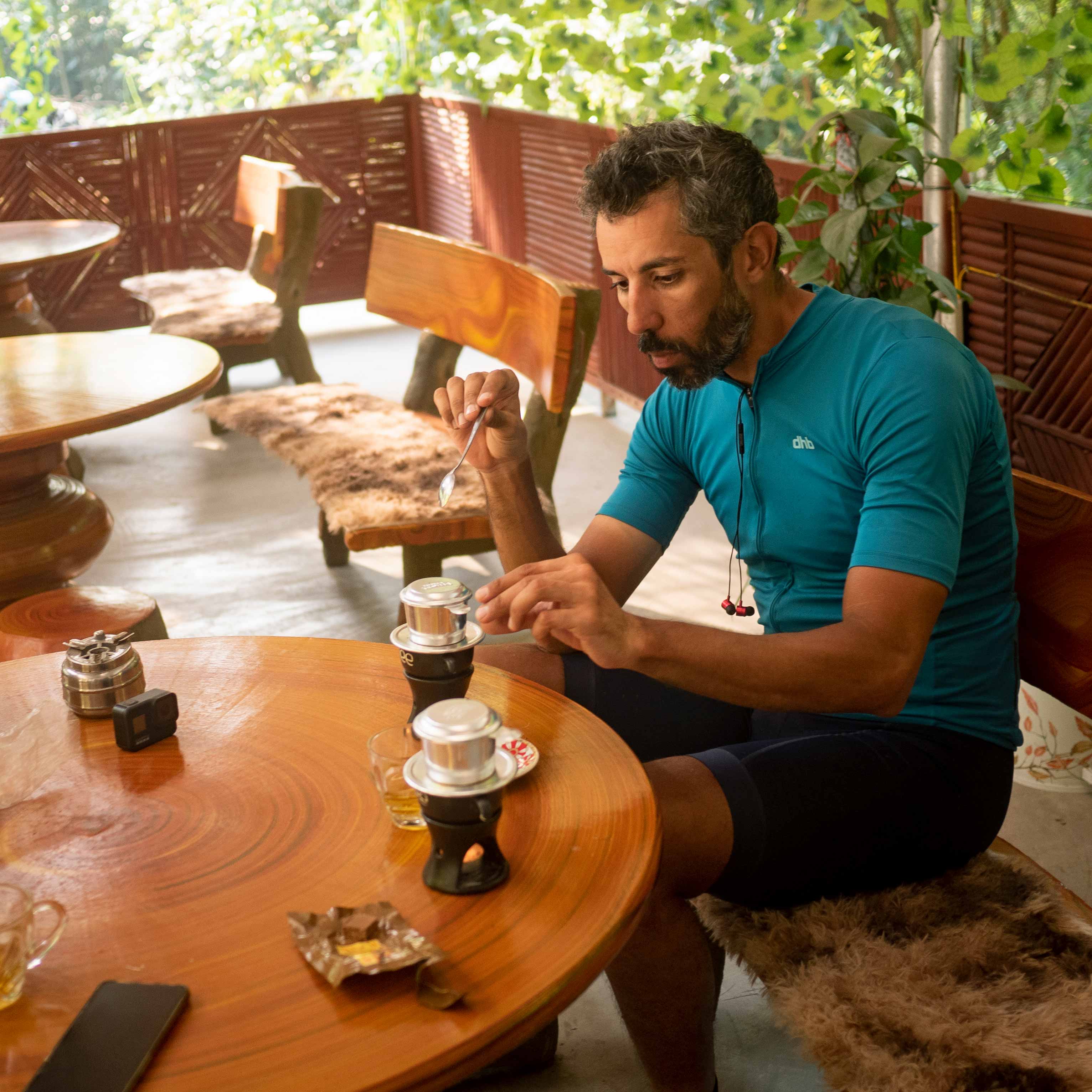
In contrast to slow and sleepy Laos, Vietnam was a shock to our systems. Busy, bustling, noisy – it kept us on our toes at all times. Thousands of honking scooters, pedestrians, dogs and chickens create perpetual movement and visible confusion. We tried escaping this organised chaos by heading for the mountains. But as we gained altitude, the temperature dropped to alarmingly low numbers. Not being equipped to ride long days in the cold, we decided to change our plans and instead of tackling the high passes near the Chinese border, we headed south in search of warmth. During this cold spell, we found comfort in what would become a real addiction – cà phê sữa nóng – Vietnamese coffee with condensed milk. A hot, thick, sweet, almost chocolatey beverage made with locally grown robusta coffee. It quickly became impossible to start the day without one. And multiple stops were made mid-ride to satisfy our craving. 

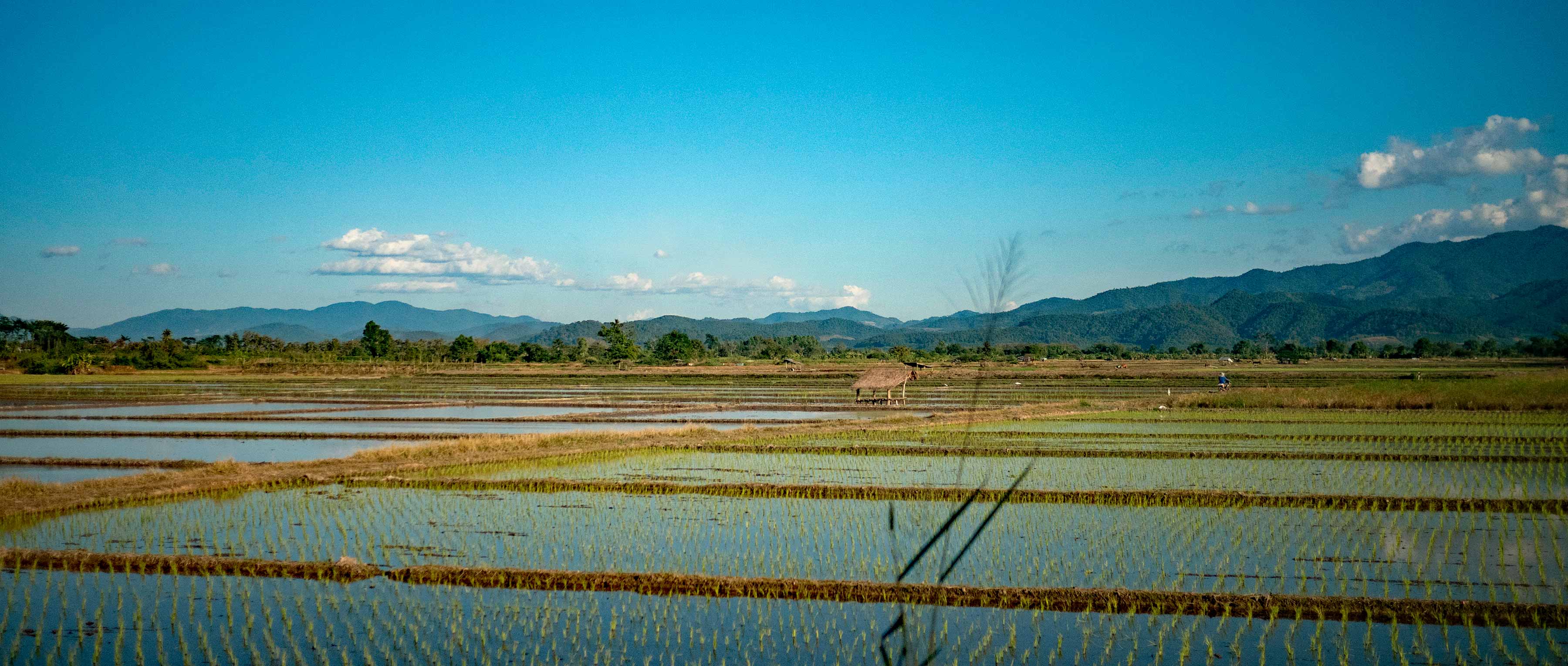
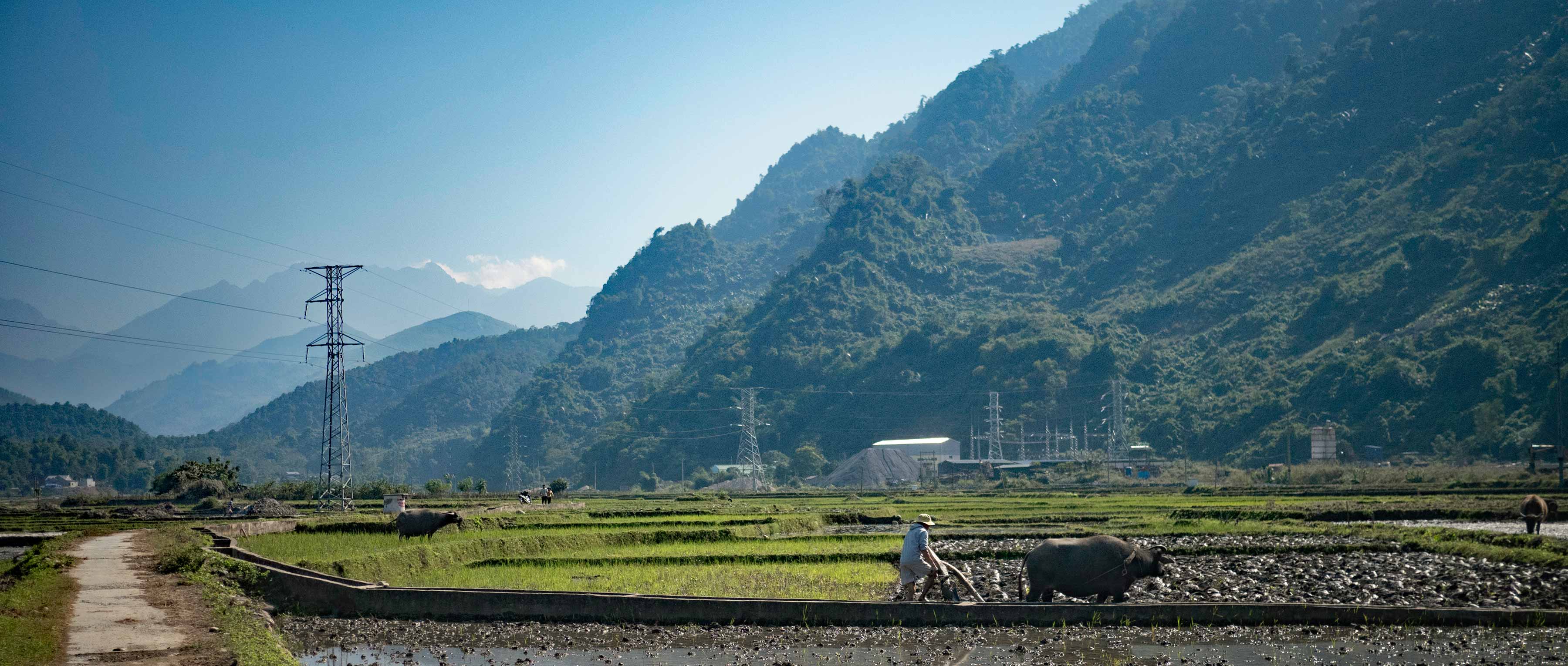
As our Vietnamese odyssey was nearing its end, we accidentally stumbled upon the little paradise that is Mai Chau. A cute village, surrounded by rice paddies and mountains where we found the best guesthouse of our trip. We spent a couple of days there, doing little else but eating delicious Vietnamese food, cleaning our clothes and our bikes, wandering in the rice paddies. A great way to say goodbye to Vietnam. Or so we thought… 

Some days later, we made it to the Laos border, which is where we hit the lowest point of our trip. After the Covid closures, when Laos reopened its land border with Vietnam it changed its policy and stopped delivering visas on arrival. And Laos being Laos, there was no website where this information was available. The only way to cross was to get a visa at the embassy in Hanoi. I couldn’t believe it! But somehow, I had to. 

“Some days later, we made it to the Laos border, which is where we hit the lowest point of our trip”

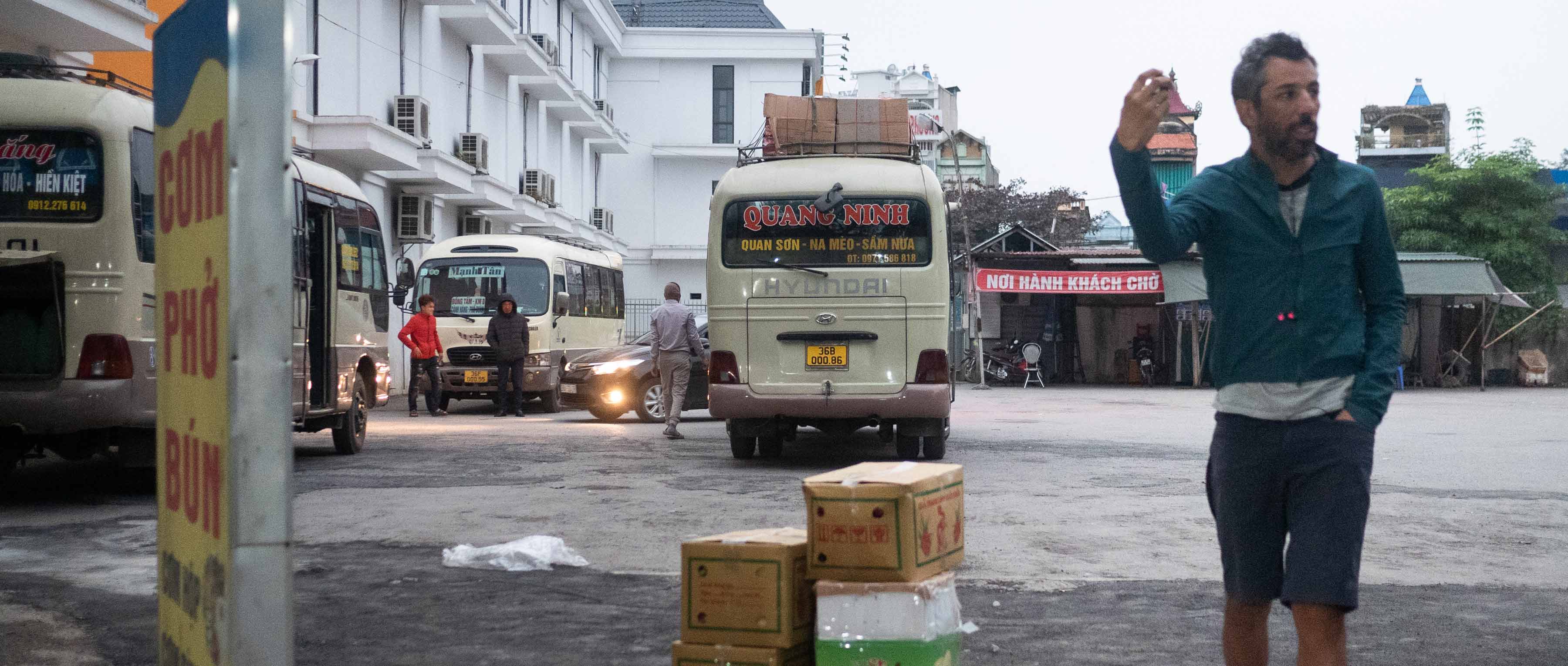
As our Vietnamese visas were about to run out, we had no time to ride to Hanoi. We had to stay in the only hotel in this small border town and to say it had seen better days would be a wild understatement. It was as dirty and run down as you can imagine, with no hot water nor electricity. The next morning a small bus brought us to a city where we would find a bus to Hanoi. It took 6 hours to cover 180km. Then we had to deal with a taxi driver who tried to rip us off as we were trying to get to our Hanoi-bound bus. In the end it took us 13 hours to go from the border to Hanoi. Not much faster than on a bike. Thankfully it just took half a day to get the Laos visa. We then hopped on a train to go back to the city of Thanh Hóa, where the next morning the border-bound bus was waiting. 

That whole trip made me realise how exhausting, frustrating and just plain inefficient it is to travel without a bike. The constant bargaining with bus and taxi drivers trying to rip you off. The perpetual quest for uncertain information about where the little buses leave from and at what time. Cycling is so simple in comparison. You plot a route, you leave when you want, you go as far as you can. No nonsense. You just ride. 

It would be hard to describe the elation we felt when we got back on our bikes and pedalled out of Vietnam and into Laos. So, I’m not going to try. Let’s just say that even though it was a cold and grey afternoon in the mountains of north-eastern Laos, it felt like the sun was out and even the steepest of climbs seemed easy. 

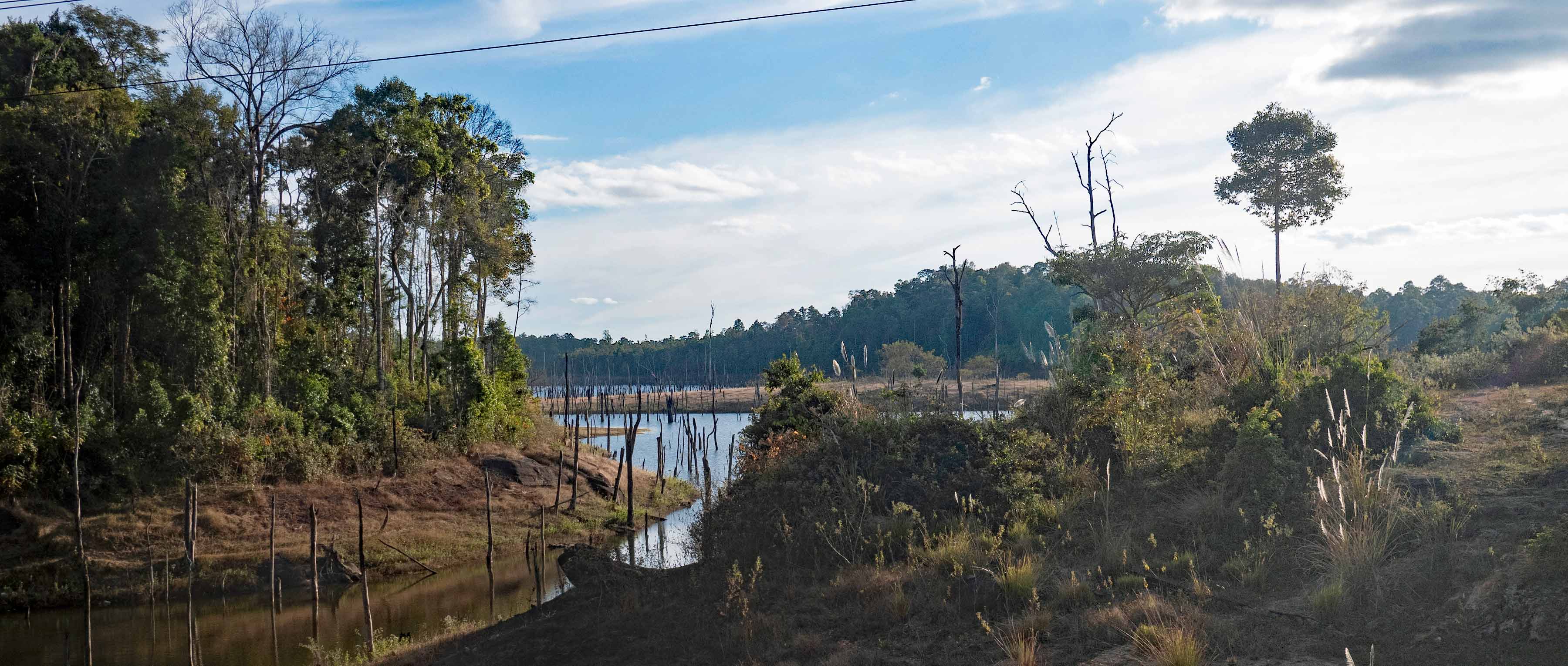
Our second stint in Laos turned out to be even better than the first one. Better roads, less trucks, better and more diverse scenery. And after bustling Vietnam, sleepy Laos suited our mood better. It was bitterly cold at first, especially at night in the hotels. But as we progressed south towards Thailand, the weather got better. I was happy to discover a part of the country where I had never been. South of Phonsavan, we rode through a forest that had been flooded following the building of a dam, creating a strange but strikingly beautiful landscape. 

While we really enjoyed these five days in Laos, we were eager to get back to Thailand – mostly for better accommodation, better food, the general convenience of everything and the smiles. Laos and Vietnam are more adventurous destination, suited to people who don’t mind roughing it out. And sure we don’t mind, but we envisioned this trip as more of a holiday then an adventure. And for a holiday, nothing beats Thailand. 

We crossed the friendship bridge on the Mekong and stopped in Nakhon Phanom, where we found a great night market overlooking the river. 

“Riding a bike, even on a flat boring road while getting rained on, is still better than spending six hours in a Vietnamese minibus”

We were aiming for the island of Koh Kut to spend a few days at the beach before going home. On the way there, we wanted to hit the Kao Yai national park, but the route confirmed to me that Eastern Thailand does not offer the best riding in South East Asia. We had a couple of nice days on the way to the national park, but we also had a few boring, flat stages with not much to look at. The cold of Vietnam and Laos was a distant memory, but the rain caught us on at least one occasion… But riding a bike, even on a flat boring road while getting rained on, is still better than spending six hours in a Vietnamese minibus. 

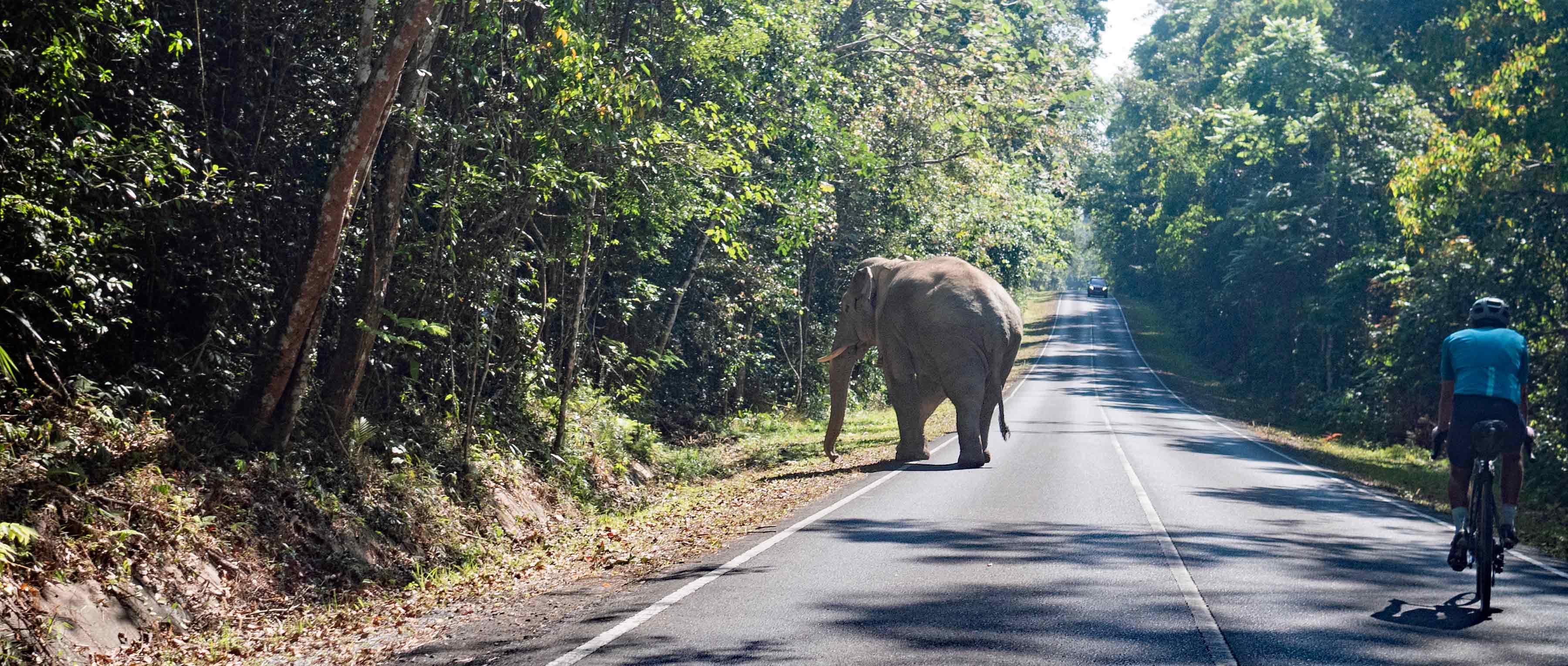
We finally reached the Kao Ya, desperate to see an elephant. We’d seen them on posters, on road signs and even painted on the tarmac, but traffic was dense in the park with people coming from Bangkok for the weekend. And elephants are like cyclists – they don’t like cars. We were avidly looking left and right, but to no avail. As we were getting close to the exit of the park, the traffic had got a bit lighter and at one point we spent five whole minutes by ourselves, without the sound of any engines. That’s when it came out of the jungle – a giant, massive, huge, enormous elephant! Just when we had abandoned all hope of seeing one, it crossed the road slowly and our faces lit up with a big smile.

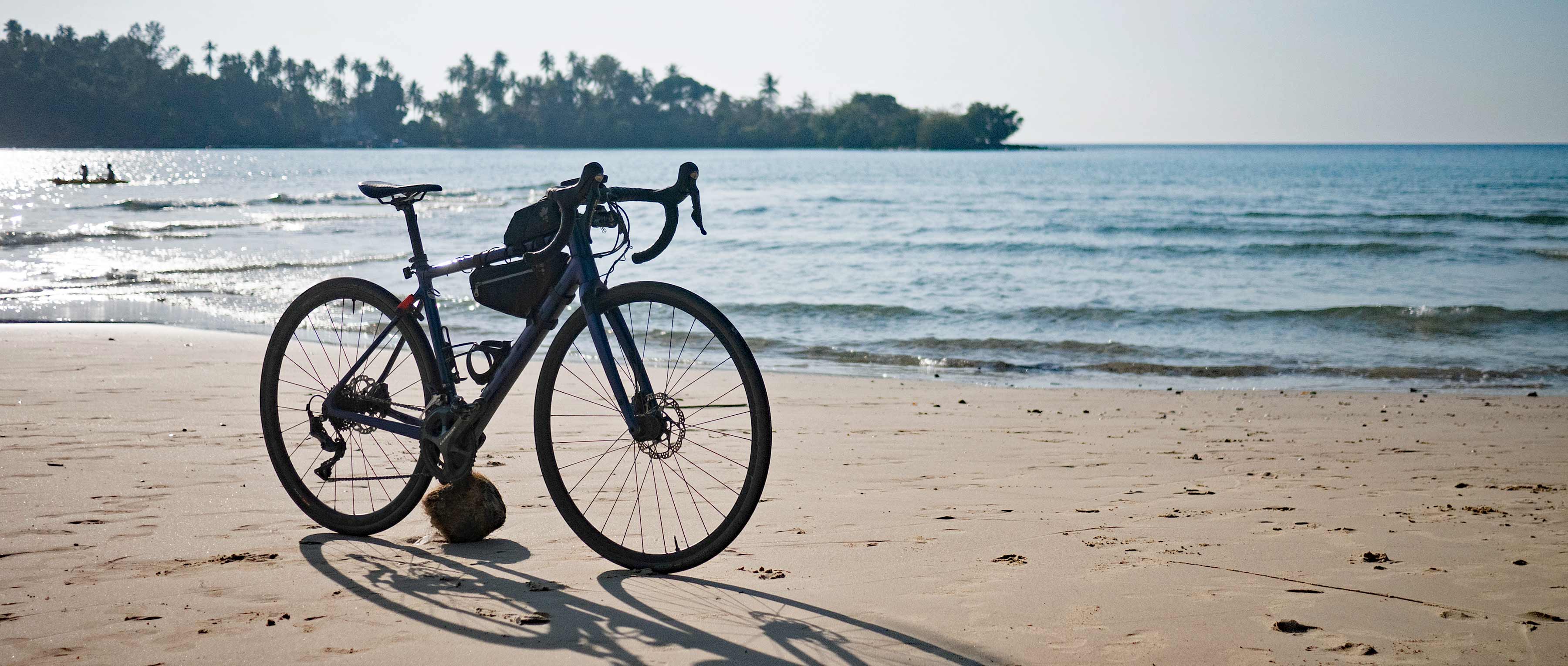
The next and final step for us was the pristine water and white sandy beaches of Koh Kut. A lesser-known Thai island off the coast of Cambodia. Holiday mode was in full swing for five days, except when we had to climb the 20% gradients that would get us from one deserted cove to another. Honestly, we’re not normally the beach bum type, but after so many days on the bike, it felt really good to unwind. And the picture-perfect beaches of Koh Kut are undoubtedly stunning enough to lure anyone into a life of sunbathing and dolce far niente.

“After riding 6,000 km across three countries, it was time to go home”

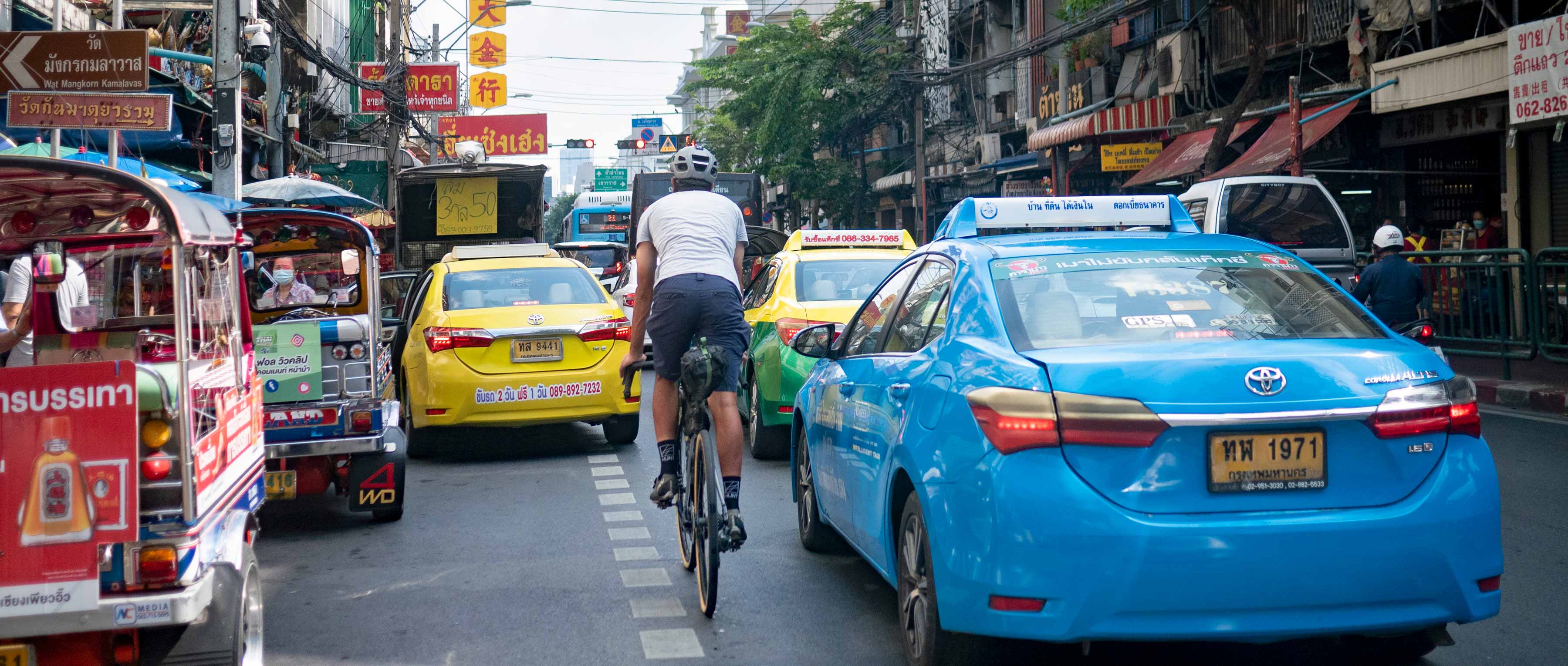
Once our batteries felt somewhat recharged, we headed back to the bustling city of Bangkok or, as the Thais call it, Krung Thep, which means the City of Angels. After riding 6,000 km across three countries, it was time to go home. As they say, all good things must come to an end. 

But what they don’t say is that all good things happen on little two-wheeled machines propelled by the spinning of your legs. But it’s okay that they don’t say it because you and I already know it to be true. 

The Rhino Run

It’s around 2 am, somewhere in South Africa. I am cold and trying to muster whatever energy I have left to climb a gnarly hill. The Rhino Run, a 2,740 km long bikepacking race, started at 6am, which is now a day in the past. At this point, I’ve covered around 350 km on a wide variety of gravel roads. The surface I’m dealing with at the moment is probably the worst I’ve encountered so far and combined with the steep gradient, I’m making no progress. I step off the bike and start pushing. It’s a little bit easier and not much slower. 

Then I try riding again. But it’s not long until I stop once more. Where is my will to keep going? I can’t find the motivation that usually allows me to ride through the long nights whatever the conditions and terrain. I sit down. This situation is all too familiar. How many times have I been there? Fighting the fatigue to slowly progress on a rough climb in the dark and cold of the night? Too many to count.
Earlier this year, I had found myself doing this multiple times in Canada and the USA in order to secure a win on the Tour Divide. A couple months ago, I was doing it again to retain my title at the Silk Road Mountain Race in Kyrgyzstan. Barely recovered from Tour Divide, pushing until I couldn’t push anymore and having to lie down on the side of the road, too exhausted even to inflate my mattress and get into my sleeping bag.

“Why do I keep finding myself in these situations?”

I’m sitting down now, close to the top of this pass and I start questioning my life choices. Why do I keep finding myself in these situations? It’s neither pleasant nor sustainable. I need to make a change.

It’s around 2am on day one of the Rhino Run that I decide that I’m not going to race it. I’m going to ride it. I’m going to enjoy it and see as much of this course as possible. But I’m not going to push my limits to battle at the pointy end. Why would I do that? After winning two of the hardest and most prestigious bikepacking races in a matter of two months, I feel like I have nothing to prove. But most of all, I feel like I need a break.

“Too many times in my career, I’ve missed out on beautiful landscapes because I was riding through the night to win a race”

I’m happy to be in South Africa. I had a great day on the bike, enjoying ever-changing scenery in a place where I’ve never been before. Too many times in my career, I’ve missed out on beautiful landscapes because I was riding through the night to win a race. I don’t want a repeat of that here.

I get back on my bike and resume riding at a leisurely pace. In the next few hours, I get caught by five different riders. I’m at peace with my decision and I don’t feel the urge to push harder to match their pace. At the end of the day, I’m in 9th position, already far away from the leaders. I make it to the town of Greyton and check into a hotel. I set my alarm for 4:30am. I may not be racing the fastest guys in the race, but I still have to catch my flight, which means averaging 250 km a day. That’s not race pace, but it’s not touring pace either. It’s what you may call fast touring. Over the next few days, I keep pushing hard during the day and sleeping 6 hours at night. Or at least I try to. 
“Despite the fatigue, something in my brain is not willing to let go of the race.”

It’s one thing to tell myself I’m not racing. It’s another to have my body and mind actually conform to this decision after so many years of competing at the highest level. My biggest problem is falling asleep at night. Despite the fatigue, something in my brain is not willing to let go of the race. Maybe years of conditioning my body to function on little to no sleep during these events prevents me from getting the rest I need. Then there are the resupply stops. Again, old racing habits die hard. I can’t help but make efficient resupplies in gas stations and shove the food into my mouth as fast as possible. 

Letting go is harder than I thought. As the race goes on, riders that were ahead of me drop out. It’s not surprising – the course is very demanding and the warm weather makes it even harder on the body. Without significantly speeding up, I find myself progressing in the rankings. I can’t completely silence the racer in me and like the hound that smells blood, I make my fast touring a bit faster. But it’s not just the thrill of the chase that gets me to push the pace. As we progress further up north and get closer to Namibia, the race changes. The opportunities to sleep indoors when night comes become few and far between. It’s not just about catching my plane anymore. Oftentimes now, it’s about covering the 300km that stand between two hotels. On the fifth night, I have no choice but to bivvy in a ditch, which makes this feel much more like a race than a tour. 

Quite often, I find myself sharing the road and an accommodation at the end of the day with my friend Max. We’ve shared quite a few start lines in the past and he has the same approach as me for this event. We cross the Namibian border together and try to think of what is the best way to proceed from here. While northern South Africa is sparsely populated, southern Namibia is almost completely devoid of people. If we hit a town too early, then bivvying is pretty much the only option for later on. 

“Our best bet, if we want to avoid sleeping in the ditch, is to cover 370 km in one go”

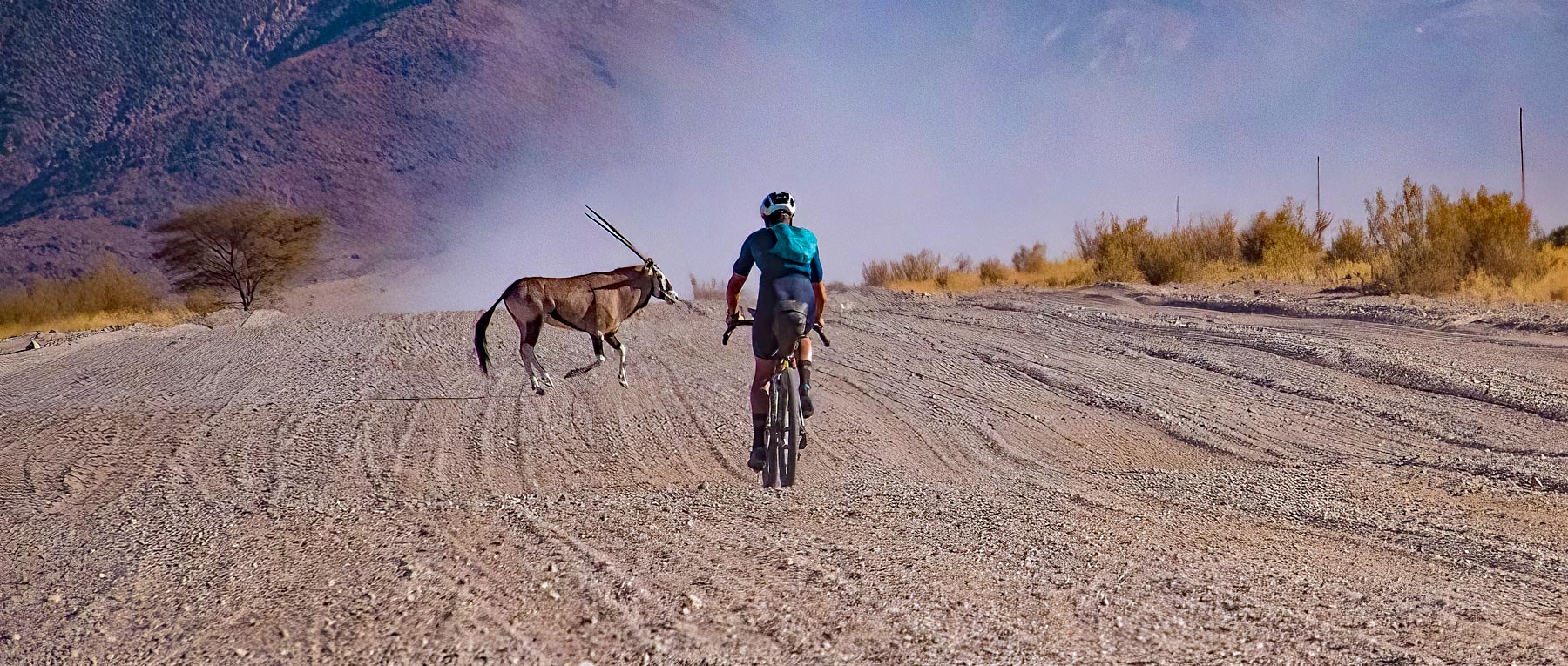
On the first Namibian day, a fierce headwind saves us from the dilemma that arriving in a town before dark represents. After my shortest and slowest stretch since the start, I catch Max in Rosh Pina where we treat ourselves to a steak dinner and a beer. After all, we’re not racing, so why not enjoy some downtime? For the next day, our best bet, if we want to avoid sleeping in the ditch, is to cover 370 km in one go. Getting up at 2am, we set off for a day of full-on racing in what is supposed to be a fast tour. I make quick work of the first 160 km as they’re paved. Max catches me as I’m resupplying before setting off for this massive stretch with absolutely nothing but sand and Oryx. While so far we had made sure to never purposely ride together, this time we decide to stick together for safety. It’s 40°C in the Namibian desert and if you overheat, there will be no car to pick you up and take you somewhere where you can cool down. 

“After 60km of fast rolling gravel, we make a left turn and enter hell”

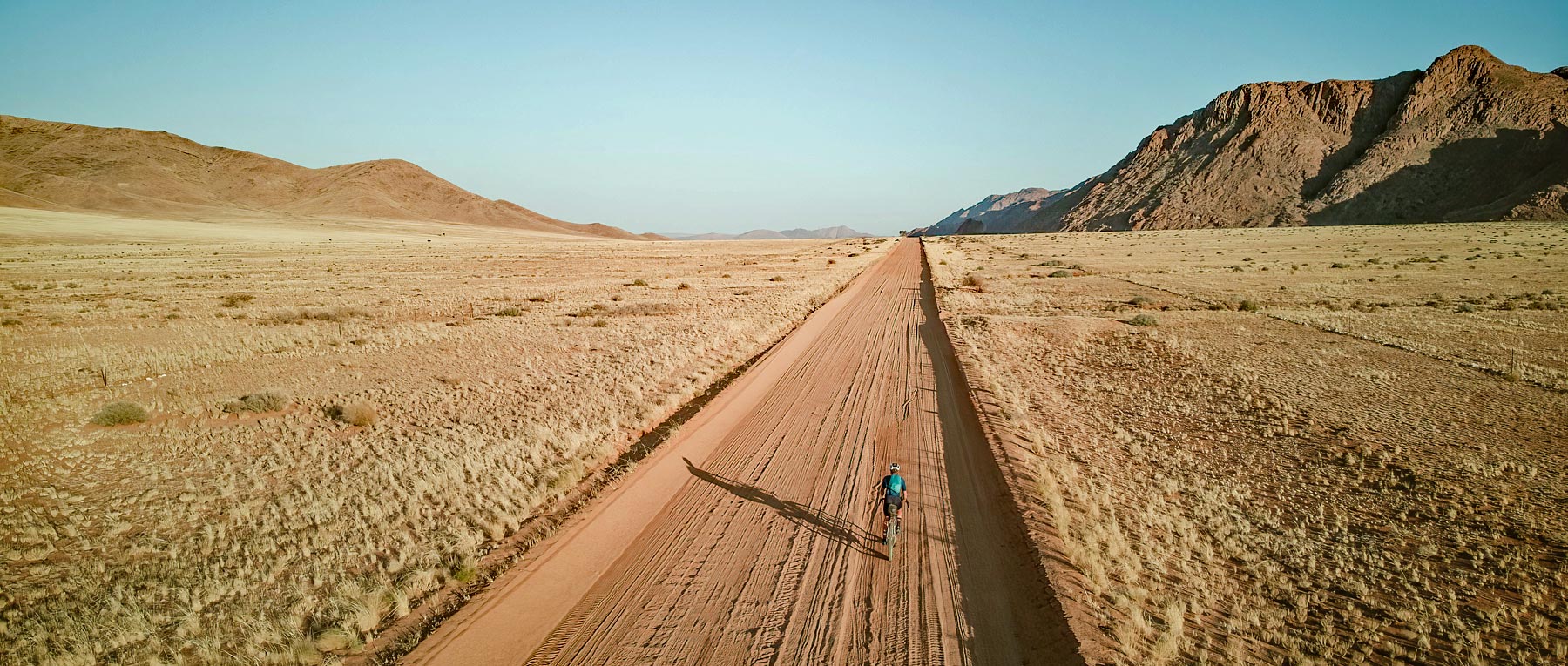
After 60km of fast rolling gravel, we make a left turn and enter hell. Fierce headwinds, sand, corrugations, hopelessly straight roads that disappear in the horizon. Just a hostile and empty desert as far as the eye can see. Never-ending uphill false flats mean we struggle to average 12 km/h and the ensuing downhill does not allow for more than 20 km/h. 25 hours after starting our day, we make it to the Kronenhof Lodge, completely exhausted. No one is there and we fall asleep on couches in the reception. A couple of hours later, the manager finds us and gives us the key to a room. 

At this stage of the race, we are in 4th and 5th position. To get a shot at the podium, we would need to get going after another couple of hours of sleep. But I don’t care about third place. I’m even contemplating taking the day off and spending the entire day plus one night in the beautiful place that is Kronenhof. In the end Max and I find a middle ground. We wait out the hottest hours of the day and leave the lodge at 5pm. We ride until 2am then bivvy for a couple of hours on the side of the road. The sand that we’ve been fighting all day has one advantage – it’s quite comfy to grab a bit of sleep on. 

“While there’s always a lot of satisfaction in winning, I’m happy I ended up not pushing as hard as these guys.”

A couple of days later, we reach the finish a few minutes apart. Max gets 4th place and I take 5th after approximately 10 and a half days of riding. The first and second placed riders (Abdullah Zeinab and Kevin Benkenstein respectively) arrived two days earlier after putting on a great show for the dotwatchers. I know what they’ve been through. And while there’s always a lot of satisfaction in winning, I’m happy I ended up not pushing as hard as these guys. 

In the end, I had the chance to ride in one of the least populated countries in the world, witness some beautiful scenery, spot some exotic wildlife, experience the kindness of the Mzansis and the Namibians and spend some quality time with a good friend. I also had the opportunity to squeeze in a couple of epic pushes on a legit hard course, which is something that, weirdly enough, I enjoy, even if I was not ready to do it for 8 straight days. 

“These bikepacking adventures are so rewarding that the satisfaction of living them to the fullest can replace the accomplishment that represents finishing them first.”

As ultra-racers, we keep pushing the limits of what we thought was humanly possible. Event after event, it’s a physical and mental ordeal that takes its toll. To dig so deep, one needs an unalterable focus, a supreme drive, a determination that very few people are able to summon, a clear goal and the undying will to pursue it. Without these mental resources, the machine that is an ultra-endurance athlete’s body cannot unleash its full potential. This is what I have understood by riding the Rhino Run. But these bikepacking adventures are so rewarding that the satisfaction of living them to the fullest can replace the accomplishment that represents finishing them first. 

This stunning collection of images was shot by Rae Trew-Browne | Outlaw Media

Looking back at the 2022 SRMR

A few days before the start of this year’s Silk Road mountain race, I found myself bed ridden with a bad case of tonsillitis. For two days, I couldn’t do much but sleep, cough and drink tea. As the start got closer, I got a little bit better, but on race day I was still far from being 100%. 

For the first time ever, I was lining up at the start of a race thinking I had no chance of winning it. I felt so sick and weak. I was gutted to have traveled this far for not even having a shot at defending my title.

But deep down, a small part of me wanted to believe. What if I could get better while riding? The least I could do was try, so I showed up at the start.  Diminished but not defeated. I got through the first day with my head rather than my legs. After 20 hours, I was only 2 hours behind the leader, Rodney Soncco. That felt miraculous. I went to bed with my chances in this race intact and was absolutely stoked about it. The part of me that wanted to believe grew bigger and bigger.

I let go of my usual strategy of starting fast and digging deep with very little sleep. This seemed unsustainable given both my recent illness and the very little time I had to recover from my Tour Divide effort. Instead I made sure to get plenty of rest and be consistent during the day. As the race went on, I felt stronger. On day 3, I was back to being my old self: strong and determined. I chased patiently, going from 4th to first. Starting the halfway point of the race, I worked on solidifying my lead, taking a bit more risks and pushing my body a bit further. I pushed through the night to get to Naryn where I allowed myself an hour of quality sleep in a hotel. After that, I kept the same regimen of 4 hours of sleep every night. Even when James Hayden was chasing and getting closer, I chose to get good rest and push harder afterwards, rather than cutting back on sleep. We battled it out until the very end and I finished only an hour ahead of him. 

I enjoyed this race so much. Maybe because I never asked too much of my body. As a result, I was able to enjoy every moment. I rode this race as in a dream. It was highlight after highlight, with a truly stunning section from Naryn to Issyk-Kul, that had me convinced I needed to come back next year. I can’t overstate how magical Kyrgyzstan is. I don’t have enough superlatives to celebrate its beauty. Every day, the prevalent emotion I was feeling was how privileged I was to have the opportunity to ride here.

Of course I’m elated I managed to get another win here. But I might even be happier just to have ridden this course. The victory is the cherry on the cake. But the real reward, it’s the ride in itself. How can I describe the otherworldly experience that is the SRMR? Yes, it’s a race. But it’s much more than that. It’s an adventure of epic proportions that will leave you life-long lasting impressions.

On top of the magical riding I was able to enjoy, there’s one way that my 2022 race differed from the 2021 edition. This year I found the time to share brief moments of the lives of the locals. I had a late night tea with a group of young men in a Mosque near Arslanbob. They offered me peaches and I must have eaten a whole kilo. A 15 year old kid on a horse invited me to spend the night in his family’s shack near the Arabel pass. I had dinner with them and tried kimiz, fermented horse milk, for the first time. A couple days later, a shepherd invited me to share breakfast with his family after I had bivied near his yurt camp. The usual tea with bread, jam and cream.

The Kyrgyz people is one of the most hospitable you can find. I received many more invitations, including people offering to drive me places or just give me a lift to get to the top of the climb. Of course, I had to decline.

This culture of friendliness and hospitality is one of the things that makes this event so special. And while it is a race, I was happy to sometimes snap out of it to fully live the experience of traveling in Kyrgyzstan. Something that goes beyond a contest to determine who is the fastest cyclist.

A Kyrgyz will never let you sleep outside in the cold. He will never leave you stranded or hungry. They live a hard life in a rough country and therefore tend to be a bit rugged, and perhaps not the most diplomatic of people. But behind this rough surface, they just want to get to know you and take care of you.

In the end, I believe this was my most memorable racing experience to date. First because it was a proper race; with worthy opponents and the need to ride to the best of my abilities to prevail. And second, because I went much further than just racing. It was as beautiful as it was hard. It was as magical as it was wild. It was as remote from my everyday life as a Westerner as any life experience can be. It filled my soul so entirely that I don’t think I can ever forget it. 

Malteni Bootleggers 2022

In just a few years, the Malteni Bootleggers has emerged as one of the premier gravel events in France. With a challenging distance of nearly 250km, uncertain weather conditions, technical gravel on spoil tips and some of the most infamous paved sections of the flemish spring classics, it’s no wonder it took little time for the race to assert itself as one of the go-to events in both the French and Belgian gravel calendar.
Born out of the passion of three locals for cobbles and gravel, it attracts riders from all over with a friendly atmosphere and the welcoming vibe the Northerners are famous for all over France. The race gets its name from its main sponsor, a local brewery, and the fact that it crosses the Belgian border, where more than half of the course is, before coming back to France. Luckily you don’t really have to carry beer bottles on your bike while riding the Koppenberg or the trouée d’Arenberg.

After two canceled editions due to the pandemic, it was time this year to get back in business. So with my 2020 subscription in hand, I showed up early (5.30am!!) at the start willing to test myself on a distance normal people consider very long while I, as an ultra specialist, find it really short. 

To avoid having a big peloton on narrow paths, we started in waves. I was in one the last one. With good legs, I started by pushing a strong pace for the first 10km. The flats are not my strong suit and I was quickly caught by a powerful belgian rider. Unwilling to dig deep so early in the race, I chose to keep pacing in myself and save energy for the second third of the course which promised to be the hilliest. 

Slowly but surely, I started catching riders that had left before me. A little bit  before one of the three strategically located checkpoints, I caught decorated ultra cyclist Ben Steurbaut who had just finished fixing a flat tire. Following the code of competitive bikepackers, we chose to ride together side by side rather than drafting each other. We caught the leading group at CP1 and soon it was just three of us pushing the pace in the lead, climbing the steep hills of Flanders.

By the time we got to CP2 it was just Ben and me going to toe. I was testing him in the hills while he was making me sweat on the flats. It was a beautiful day to ride a bike. A sunny spring morning with a slight tailwind. Nice blue skies and no clouds to be seen on the horizon. I was thoroughly enjoying our battle and for 90% of the course, Ben and I were evenly matched. It was only in the last kilometers of the race, during the climb of the last spoil tip, that I managed to open up a tiny gap. I gave it my all to the finish, almost cramping up in the last 2km, and managed to hold on to my lead. Ben crossed the line a couple minutes later and she shook hands like two gentlemen.

I stayed in the venue that was hosting the event (a small hotel and restaurant) waiting for the other finishers. We all had dinner there after a small podium ceremony. Drinking Malteni beer of course and exchanging stories of the day. 

The next day I stayed in the North to watch Paris Roubaix, enjoying my rest day in the sun while it was the pro peloton’s turn to suffer.

Silk Road Mountain Race 2021 / Final day

As my final effort in this race begins, I can’t say I have a lot of energy. My last resupply was roughly 18 hours ago and I have very little food left. Thankfully I don’t have far to go. 90km is all there is left. However, it looks like there’s around 2000m to climb and the race manual insists there’s gonna be hiking. Still, it shouldn’t be more than 8 hours.

It’s 3.40AM, I leave the outskirts of Kaindy on my bike, progressing slowly despite the easy gradient. I pass a couple of quiet farms riding on a dirt track. I’m too weak to make any kind of speed but forward movement is all that matters now anyway. My legs will wake up at some point. I just need to give them time.

After an hour or so, I’ve covered 12km. It’s not a lot but I will soon find out this is much faster than what awaits.

I soon find myself hiking up a dry river bed. That’s where dawn finds me. I’m very surprised to meet an old man riding a horse going in the opposite direction. I wonder where he’s coming from and where he’s going so early in the day. He says something in Russian, I mumble a few words in English and then he’s on his way. I intermittently leave the dry river to follow a narrow path through the forest, crossing another river, one that has not dried up. I take good care not to get my feet wet, which is sometimes simplified by the presence of a couple of logs acting as a bridge.

It’s a long and slow hike. I have 8km to cover and 900m to climb to get to the first of three summits. After which a 200m and a 800m climb await. 

When I look at the numbers as I’m writing this, I have a hard time believing them. It took me 6 hours to hike to the top of the first climb. I remember the first part through the forest, then above the tree line, in the wide open spaces. They were gold with few touches of dark green from lonelmy trees, or green dotted with orange spots of wild flowers. Everything covered in the bright light of this warm sunny day. I remember being confused a lot of times about where I was supposed to go. I don’t remember most of the breaks I took, just to sit down and regroup. But there’s one that sticks out. 

After summiting the first climb, I enjoyed riding my bike for 20 or 30 minutes on a nice singletrack all the way to a fairly scenic lake. I remember stopping there for quite a bit of time. Sitting down next to a stream which was flowing towards the lake. Filling up on water. Enjoying the calm of the surroundings. The solitude. I was in no hurry to resume my hike. I knew I had a good lead and no one was going to catch me.

These were my final moments on the Silk Road. I’m not sure if I was fully aware of it. Finishing a race is a strange experience. During pretty much the whole time I’m racing, I’m really looking forward to it being over. Because that’s the whole point of the event: you go as fast as you can and you finish it. Crossing the line (and for me, getting there first), that’s the success. And I’m in a hurry to secure it. I’m racing so I want to take as few breaks as possible. But then, when I approach the finish line, there’s a bit of sadness. I thought I wanted it to be over, so that I could enjoy the achievement and get some much needed rest. But nothing makes me happier than riding my bike with a purpose. Nothing makes me happier than being out there and soon it’s gonna be over. That’s where the sadness comes from. During the whole race, no matter how much I suffer, I’m happy. Because this pain has justification. Because I chose this pain, and I endure it so that I can achieve great things. I embrace it as part of the process. If I wanted none of it, I would just not race. 

This final stretch, from my bivy spot all the way to the top of the very last climb, it took me 11 hours to get it over with. It’s only 32km long. Pretty much 11 hours of pushing my bike for a few minutes, then sitting down, looking at the landscape, then pushing the bike some more, then resting again. In this place where I can’t imagine many people come. Most likely the remotest area of the whole course. And that’s saying a lot when you know Kyrgyzstan. 

I’m writing this more than 6 months later and I have very vivid memories of this final day. It was the hardest but I don’t think I hated it. I’d go back to this lake in a heartbeat. Just a serene and scenic place.

And I think it sums up pretty much the whole race. Is it the hardest bikepacking race in the world? I have a lot of experience and I will say: yes, it is. But never once, not a single time, have I wanted to drop out. In other races, there’s always a moment of weakness where I think of scratching. Of course I don’t do it. But that’s a mental valve that helps me relieve some of the pressure when things get too challenging. Just considering the fact that if I want it, this whole thing can be over in a second.

On the SRMR, I always knew why I was there. Not only was I on a mission to win this race, but also, anytime I doubted, I just had to look around me and then the stunning mountains would be the only thing needed to justify my presence here.

There’s several ways that a race can be hard. Sometimes you can be on a smooth flat paved road riding at 30km/h and find it hard. Because you’re bored out of your mind, because the traffic is annoying you, because you just don’t want to be there. But the Silk road is never hard in this way. For me it was never boring and obviously I was never annoyed by cars. Well actually, on the last 25km of the course, leading to the town of Balykchy, I did encounter more traffic than I care for. It was a Sunday evening on a road that goes to Bishkek, so that was pretty much a case of wrong place wrong time. But what’s a busy hour compared to more than 8 days of supreme calm? 

So, on Sunday August 22nd, I crossed the finish line of the third ever Silk Road Mountain Race. I was the first to get there and the crew awaited me with a cold beer. That was it. I got the final stamp on my brevet card. That’s an anticlimactic way of ending this report but it’s one that fits. Because I find there’s no big emotion there. It’s an achievement for sure. But that achievement is not defined by that second where you cross the line. It’s defined by the whole journey. I don’t just race to raise my arms at the end. I do it because I want to be out there, I want to ride my bike and see these places. 

I saw Kyrgyzstan and there’s no way I’ll ever forget it.

Silk Road Mountain Race 2021 / Day 8

One of the things I struggle with the most in ultra-cycling races is getting out of my sleeping bag after grabbing a few hours of sleep outside. Paradoxically I have absolutely no problem with the discipline required to get out of bed after 4 hours of sleep in a hotel. I never press snooze. Alarm rings, I get up, get dressed and rush out. But when I’m bivying somewhere, I’m unable to get good sleep and when the alarm goes off, I feel so robbed of well deserved and much needed rest, that I usually allow myself anywhere from 30 minutes to a whole hour of extra sleep, and then some more… and then again a little bit more. Which means breaks that were supposed to last 3 hours end up lasting twice as long. 

This night in an abandoned house on the bank of the Karakol river turns out to be no exception. I only find the energy to get up when it’s light outside. 6 hours of not so good sleep regularly interrupted by the necessity of reinflating my mattress, which was damaged during the transfer of the bikes before the race, and that I managed to fix a little bit, but not perfectly, with rubber cement. 

It’s 6:30 and I’m ready to ride. I’m 260km from the finish so, this time, I’m sure of it, there’s no stopping before I reach it. There’s a huge amount of climbing so it’s gonna take some time, but late tonight, I should be in Balykchy celebrating with a cold beer. 

But first Kegety Pass. I’m 18km and 1200m away from the top. However the first 8km along the river only bring me 200m closer to the summit. That’s easy math from here: 10km to ride + 1000m to climb = 10% average gradient. It’s a cold morning but the sky is blue and my energy levels are okay. Being so close to the finish sure does help. In the race manual, Kegety is advertised as one of the toughest climbs of the race. So I definitely expect hiking my bike. 

It’s slow going at first, but it’s still cycling. About half-way to the top, I come across a green tent, set up right there on the road. Two guys are cooking instant noodles, which is not my idea of a good breakfast. I say hi and we briefly chat. They’re from Spain and bike-touring around Kyrgyzstan. They heard about the race and they’re stoked to meet the rider who has a good chance of winning it. We take a selfie and then I’m on my way. 

The climb soon gets harder. Rockfalls have damaged the road and I have to walk over the rubble. One thing that strikes me is how black the stone that makes up the mountain is. I don’t think I’ve seen such dark rocks before and it makes this pass even more intimidating. As I go along, I have to get off the bike more and more often. Landslides have made this road completely impassable by car and fairly hard to navigate by bike. In this black stony mess, I sometimes don’t know where I’m supposed to go. As I’m nearing the top, I take a quick break to sit down and eat a snickers. I just need to regroup a little bit. The last kilometer is the hardest. It’s basically just pushing and carrying the bike all the way to the top. No riding. A bit less than 3 hours after leaving my sleep spot, I make it to the summit. 

I now have more than 40km of downhill all the way to the village of Kegety. After 30 minutes of getting battered by the rocky trail, I get my mandatory pinch flat. I fix it and get going, not particularly happy about the additional battering. The second part of the descent is a bit weird because it has people. Kegety is not far from Bishkek, the capital city of Kyrgyzstan, and people just drive here to get some fresh mountain air. Weekenders are not something you commonly see during the SRMR, so it sure gives the place a different atmosphere.

As I near the village, I’m happy to find tarmac. After this long rocky downhill on a fully rigid bike, this is just what I need. I ride to the nearest shop and stop for a big resupply. It’s not very well stocked but I manage to find bread and cheese. That will make for a decent lunch. I also get plenty of drinks. I went from an altitude of 3700m to one of 1200m and it’s really hot here in the valley. As I’m eating my sandwich, I proceed to removing the bulk of my layers. When I’m fed and dressed according to the temperature, I get back on the bike hoping I can improve a rather disappointing average speed. Thankfully what comes next is a section that is mostly flat and paved through a series of small villages. I regularly stop to buy water and various drinks; I haven’t been this hot since the first day of the race, a whole week ago. It’s hard but I’m making good progress and I’m on track to finish anywhere between midnight and 2am. In a village that seems bigger than the others, I spot a samsa vendor on the side of the road. Samsas are savory pastries filled with meat and vegetables. Exactly what I crave right now. I buy three and eat one on the spot. I also get some more water. My thirst seems unquenchable. 

©Chris McLean

After a couple hours of making good speed on flat paved, it’s time for the second climb of the day. It doesn’t compare to Kegety but it’s still a solid 900m of elevation gain. It’s a dusty concrete road where big slow trucks pass me from time to time. Nothing to steep, which is good given the high temperatures. After some time, I come to a gate with a couple of guards in uniforms. This was not mentioned in the race manual, nor during the briefing. One of the guards asks me where I’m going. “Straight ahead, on the road”. He asks for my passport and tells me to wait here while he calls someone. I take advantage of this time to eat my second samsa and brush my teeth. After about ten minutes of waiting, the guard comes out of his booth and tells me I can go ahead but I’m not allowed to stop or take pictures. That’s fine by me; it’s not a particularly scenic part of Kyrgyzstan anyway.

I ride through what looks to be a fairly big mining operation run by a Chinese company. Nobody seems to pay attention to me as I keep climbing on the concrete road. I finally exit the mine, which doesn’t mark the top of the pass but sadly means the end of pavement. Coincidentally, the road gets much steeper and the last 3km to the top are really sluggish. I get there both very thirsty and without a single drop of water in my bottles. I anxiously look at my notes to see how far the next resupply is. There might be something at the bottom of the descent but it’s not sure. Let’s go check it out.

©Danil Usmanov

Compared to what I usually have to deal with on this course, it’s a rather smooth and fast rolling downhill. At the bottom is probably the busiest road in the country, that runs in and out of Bishkek, along the Kazakhstan border, all the way to Issyk-Kul lake. Right there at the intersection is a rest stop. The media car waits for me here with Nelson and the whole crew. I take this opportunity to tell him about the guard and the gate so that he can warn the other racers. Then I buy orange juice and water and sit down to rest and drink. It’s 5:30pm and I still have 120km to go. My initial estimate of finishing late tonight still holds. Obviously I don’t feel in top shape, but there should be a stretch of tarmac out of this rest stop and with the fluids I have absorbed, it shouldn’t be too long before I feel a bit better. Not to mention the temperature is lowering and will soon be bearable. 

I chat a bit with the crew then it’s time to get going again. I’m only on the busy road for 4km then I leave it for a smaller, quieter one. Despite drinking lots at the rest stop, I don’t feel well. I’m starting to have a headache and my body temperature seems abnormally high. It’s now 6pm so it’s definitely not as hot as a few hours earlier but I can’t seem to cool down. I’m riding along the roaring Chong-Kemin river and the only thing I can think of is this freezing cold water on my body. As soon as I spot a place where I can access the water, I stop. There’s no way I can swim here as the river flows too rapidly but, after removing them, I soak my baselayer and cap in the ice-cold water and then put them back on again. It helps with the discomfort of feeling hot but generally speaking, as I keep following the road along the river, I feel weak and tired. 

©Danil Usmanov

Right now the altitude is 1400m. Ahead of me is a monster climb leading to 3300m. It’s divided in three smaller climbs, the first one being 10km long, the second 3 and the last one 5. With just short descending sections between them. By riding along the Chong-Kemin river, I’m approaching the first one, so far gently going up. The gradient is a steady 1% throughout the whole tarmac stretch and stays pretty much the same when I make a right and leave it for a dirt road. I feel like I need to take a nap. I’m not sleepy per se, but I do feel like I have no energy at all and my progress is very slow. I look everywhere to find a suitable spot to lie down a bit, but can’t find anything. The headache is still here and I can feel my stomach is upset too. I’m starting to suspect the heat is not the sole culprit. The samsas I ate earlier didn’t do me any good it seems. 

I keep slowly moving forward. The road surface deteriorates as it goes from an empty to an inhabited area. My progress becomes alarmingly slow, which is frustrating given how close I am to the finish. I sometimes get a break in the form of a small paved stretch going from a small settlement to another. I keep looking for a shop, but strangely I can’t find any. I’m pretty much out of food except for a few candy bars and a couple of bags of crackers. Obviously I got rid of my last samsa. I don’t want to run the risk of getting sicker than I am right now. I know if I go off course, on the other side of the river, there will be hotels and shops, but it seems stupid to loose time now by making a detour.

©Danil Usmanov

Sun is about to set. I probably have 30 minutes of daylight and I decide that if I spot a guesthouse somewhere on the side of the road, I’ll stop to grab a couple hours of sleep. I’m just too weak and exhausted. But if I can’t find lodging, I’ll take my chances with the final mammoth climb at night. I know from experience that small guesthouses are hard to find in Kyrgyz towns. Oftentimes I trusted google maps to lead me to one only to discover there was nothing where there should have been a place. I don’t feel like losing this kind of time now.

I keep riding, not sure if I want to find lodging or not. Fate will decide. When night falls, I’m in Kaindy, the last populated place before the finish. I haven’t seen any guesthouses nor shops and I’m still unwilling to make any sort of detour. So I guess I’m just gonna keep riding to the finish. But as I head out of the village, a bit on the outskirts, I find a house in construction. There’s walls and a roof, but no doors or windows. It could be a good spot to lie down for a couple of hours before and recover a little bit. It doesn’t seem like such a bad idea given how weak I feel and how big the climb ahead of me is. I have 90km to go, with probably around 2000m of climbing. If I was fresh and it was day, it would take me at least 6 hours; so, realistically, I can’t expect to reach Balykchy in less than 7 hours. That means a 4am arrival. Not exactly in the midnight to 2am window I had predicted. Getting there at 4 or at 6, doesn’t make much difference so I decide to rest for a couple of hours. 

After an hour or so, an old man on a horse shows up and, I guess, asks me what I’m doing here. I tell him I’m sleeping. He seems happy with the answer and goes away. Hours go by and every time my alarm goes off, I can’t muster the energy necessary to get out of my sleeping bag and on my bike. It’s only around 3am that I find enough determination to fight the desire to stay in the warmth of my cocoon of feathers. I pack my stuff and get dressed. It’s time to get going. 

It’s time to get this over with.

Silk Road Mountain Race 2021 / Day 7 

It’s 5:20AM when I set off from Baetov where I slept for 4 hours and I’m 460km away from the finish. When racing I’m constantly making calculations to try and figure out where I’ll be at a certain time or how long I have before reaching the finish. When I started making these calculations at the beginning of my racing career, I would always be way off. But little by little, I learned how to make more accurate estimates. If I have a moving average speed of 15kph, it will take 30 hours of riding to reach Balykchy. Throw in 6 hours for sleep and various stops and add a 4 hours cushion, and I should be done with the race tomorrow around sunset. I know the road ahead of me is quite good, with a 40km paved stretch and then a rather smooth gravel road up to Song-Kul. Surrouned by dramatic peaks, this picturesque lake is one of the most visited places in the country. Up there, at 3000m of altitude, in a small yurt camp, is the third checkpoint. That’s what I’m focusing on. In terms of spending the night, I don’t have any clear objectives. It seems there’s not a lot of options.

©Danil Usmanov

I ride quietly in the dark streets of Baetov and on to the road that leads out of the town. The altitude here is 2000m so it’s not as cold as other places in the race, but it’s still a bit chilly. Even though I slept in a real bed, I’m still very tired and it’s hard to get anything going. I just pedal softly, waiting for my legs to wake up. At this stage of the race, forward movement is the only thing that matters anyway.

After about an hour and a half on tarmac, I reach the village of Jany-Talap. According to the race manual, it’s the only place on the course where one can find good coffee. Sadly the place that sells it isn’t open this early in the morning so I am not gonna have the chance to drink a nice brew. Jany-Talap is where the pavement ends and where the long climb to Song-Kul lake starts. It’s about 40km long, with 25km relatively easy to begin with before a steeper last 15km. My legs have finally woken up so I progress quite rapidly on the gravel. It’s amazingly beautiful out there, with more trees than you usually see in Kyrgyzstan. The weather is not that great today. Gray and cold, and it looks like rain could be a possibility at the top. 

I keep pushing hard on the pedals, one switchback after the other, until I reach the top of Moldo-Ashu, the climb that leads to the lake. I stop to put on a few more layers as a light rain is falling and there’s a flat stretch coming up. As I’m getting in my rain jacket, a group of German motorbikers comes in the opposite direction. One of them stops and tells me it’s raining quite heavily at the lake, about 10km from here. You know what they say: “Don’t shoot the messenger”, well I kind of feel like doing it anyway. I resume my ride and get closer to the lake, expecting the rain to get heavier any minute. Fortunately it just keeps on drizzling and I barely get wet. 

I make it to the checkpoint around 11:30, get in the warmth of the yurt and get my brevet card stamped. When asked if I have a comment, I say: Never trust German motorbikers. I stay in the yurt for half an hour. Eating bread, drinking soup and instant coffee. Trying to get some info about what to expect between here and the finish. But Nelson is not having it… what lies between here and Balykchy, I’ll have to find out by myself.

I get up to go out of the yurt and back on my bike when a volunteer (a young kyrgyz woman) asks me:

  • What are you doing?
  • Well, it’s time to go.
  • But it’s raining. Stop and rest. You’re always first at the checkpoints.
  • Sure, but if I stopped every time it rains, it’s unlikely I would be the first racer to reach the checkpoint every time. 

Nelson and the crew laugh and I exit the yurt, ready to get drizzled on again. I now have to ride around the lake to get from the south shore to the north. It doesn’t look like much on the profile, but it’s actually a tiring series of short but steep up-and-downs. The upside is that it offers nice views on the lake. It’s a shame the sun is not out today. After an hour or so, it completely stops raining, which is a relief. After one last short climb, I leave Song-Kul behind and enjoy 10km of downhill. 

©Danil Usmanov

It’s the middle of the afternoon. The going has been fairly slow so far and I hope I will be able to make good time during the second part of this day. Unfortunately the exact opposite happens. After the descent begins a painfully slow section. First a barely visible trail along a small stream that is about 50% rideable and then a steep hike to get out of this valley. I slowly push my bike up the hill while a shepherd on a horse and his flock climb easily. It takes me about 2 hours to cover less than 15km. I would hate it if I could. But the scenery is still so stunning that I can’t. I accept my fate and keep moving. 

When I’m done, I proceed to fly down a steep hill onto an actual road. It’s a mix of gravel and pavement that you often find here. A road that was fully paved at some point and then the years went by, parts of the tarmac were just peeled off and now washboarded gravel remains. It’s not particularly pleasant to ride but it’s still faster than hiking up a goat trail. I’m happy to see my average speed improve. Happy also to have cell coverage which gives me an opportunity to check the tracker. Ahead of me are a few villages which will give me a chance to resupply. After this is nothing for quite a while, so a night in a real bed is not an option. I leave the main road for a secondary one, which surprisingly is in a much better shape. It is fully paved and the surface is unusually smooth. For the first time in a while, I make good progress. I’m debating if I should try and go all night and get it over with. Just keep on trucking to the finish. It’s tempting. I’ll see how it goes but I keep this idea in the back of my mind. 

According to the tracker, it’s the second time in the race I find myself on this road. The first time was when I was on my way to Kochkor on day 2. It was dark then so I don’t recognize anything. I get to a small village a little after 7pm and stop for a big resupply. Finding salty food in these small shops is always a challenge. This time I opt for multiple small bags of chips. A single big bag would be better but sadly it is not something they carry. I pack my stuff and get back on the bike. I ride through a few more small villages as the sun begins to set.

A few minutes before dark, I leave the tarmac behind as I get on the gravel road that will lead me to Kegety pass, one of the hardest climbs of the race. Sometimes stopping for a resupply takes you out of the routine of riding for hours on end and gives you a boost; sometimes it just breaks your rhythm. This time it looks like it’s the latter that is happening. Obviously the fact that it’s now dark doesn’t help. Sluggishly, I find myself following the Karakol river, gently going up. I make a couple of not very serious navigation mistakes. I don’t often make them so it tends to show how tired I am. I’ve only been riding for an hour in the dark and I already want to stop. How am I gonna ride through the entire night? 

©Brady Lawrence

I don’t feel sleepy but the idea of spending the night doing something similar to what I did today, only without the views and with much colder temperatures sounds terrible. I keep riding for like an hour until I once again get a flat. It’s the same ritual of laying the bike on its side, removing the wheel, taking out my repair kit and patching the tube. All of this in the light of my headlamp. Like often a car full of slightly drunk Kyrgyz stops to see what’s going on. And like always I don’t really have the patience to be friendly and speak the few words of Russian I know. I take my time and after 45 minutes, I’m ready to go back at it. 

The exhaustion is real. Physically, I’m tired. Mentally I’m broken down. All the hard times of the past 7 days are catching up to me. Images of the two nights I spent riding instead of sleeping are coming back to me. I don’t want to go through this again. I don’t have the energy. I’m in first position with an 8 hour lead, I can’t find the motivation there. Sure, the faster I’m done with the race, the better. But if it means 8 hours of night riding; I just can’t do it right now. 

Soon after resuming my riding, I spot a house 50m away from the road. I decide to check it out. It’s abandoned; no door, no windows, no furniture. I’ll set up camp here. I’ve had engouh for today. I inflate my mattress and get in my sleeping bag. It’s 11pm. I have ridden 206km and climbed 3400m.

Silk Road Mountain Race 2021 / Day 6

As the sun slowly rises, I’m still slowly making my way towards Tash Rabat pass. The skies are clear and the temperature rises steadily. In my misfortune, I’ve been lucky enough that it didn’t drop too much during the night. At this altitude, it can easily go down to -10°C. I made it through the night but the ordeal is far from over. With whichever energy I have left, I alternate between riding my bike and pushing it. Now that it’s day, I can clearly see that there’s no trail. The line I’m following on my GPS doesn’t translate to anything in the real world. Sometimes it just goes through grass and other times through rocky terrain. Struggling in the dark was inevitable. I have stopped trying to find an actual trail and just stick to what my GPS tells me. As I’m riding on a mix of grass and rocks, I feel the air going out of my rear tire all at once. I take a quick look and notice a 2mm cut on the sidewall. This is the kind of thing that would usually have me really frustrated. But honestly, I’ve reached such a level of despair, that I can’t feel anything else. I don’t have the energy to get mad. I just sit down on a rock and stoically proceed to patching the remaining tube I have and putting it in my tire. I inflate it and get going. 

Not too long after, I reach the bottom of Tash Rabat pass. Cows are grazing on both sides of a stream, looking at me with their wide eyes, and there is still no track or footpath to be found. I try to make sense of where the GPS tells me to go. Up an extremely steep slope made of loose rocks. I don’t really see how I could climb up there so I keep following the stream, hoping to find a path. To no avail. It seems the track is really up there and I’m just walking parallel to it. So I start pushing my bike up this steep slope, trying not to slip on the loose rocks. It’s a long and tiring process but eventually I manage to get back on the line shown on my GPS. It appears there’s a barely visible hiking trail, one you really need to be close to to see. No wonder I couldn’t see it from the bottom. I keep pushing my bike. It’ s not as steep now but it’s still unrideable. 

As I get close to the top, it gets windier, which means obviously colder as well. I finally reach the top to find out that the downhill is as steep as the uphill, and the terrain as loose. Well, I’m going to hike some more. I cautiously go down, following a zigzagging trail until I reach less dangerous terrain. I’m not far from the Tash Rabat yurt camps now and it’s all downhill. However it starts with a fairly technical single-track that is not particularly fast rolling. I expect after this section, progress is going to be faster. Sadly, what comes next involves more walking than riding. The track now goes from one side of a stream to the other. It is very rocky and whenever I manage to actually pedal, it never lasts. I have to dismount and push. I also have to be careful not to get my feet wet when crossing the stream. It’s doable as there’s not much water, but it still is a time consuming process. I finally reach Sabyr-Bek camp, one of the few yurt settlements in the area, around 11am. It took me about 5 hours to cover 20km.

Sabyr-Bek’s is a place where I’ve stayed before the race so I know one of the women there speaks English fairly well. I first ask for breakfast, before telling her I need a taxi to the closest town to fix a problem on my bike. She says she can arrange it and it shouldn’t be more than 30 minutes before it’s here. Now that is wildly optimistic, some would even say completely unrealistic. I keep eating my breakfast, expecting it’s going to be at least an hour before we’re ready to leave. When I’m done, I lie down to get a bit of sleep. Around noon I wake up and ask if the taxi is going to be much longer. The woman says no and, in fact, 20 minutes later, we’re ready to roll. We take the road to At-bashy. Now rather than going straight to town to the hardware store, we stop in a small village to deliver a cardboard box full of meat. I could do without the extra stop but it’s not really my call.

As we get back to civilization, I finally have signal (for the first time in more than 24 hours). I take advantage of this to check the tracker, expecting to see Adrien getting close to Tash Rabat. Both surprised and relieved, I realize he’s just past checkpoint 2. Which means, at best, he’ll reach Tash Rabat this evening. If I can fix my wheel, I’ll still be ahead at the end of the day. 

We finally get to At-bashy and head to the local hardware store. It’s full of cheap Chinese tools and supplies, even a few bike parts. I ask the owner for spoke nipples. He doesn’t think he carries any but he’ll check. He looks in various drawers and comes back with a small bag of brass nipples. Bad luck, it’s not the right size. He goes back to his drawers and comes back with another bag. Jackpot! The nipples fit my spokes! They’re of dubious quality but they’ll do the trick. It’s now time to rebuild the wheel. I could just replace the broken nipples, but then I would run the risk of having the others break and have to do a roadside repair. I’d rather do them all at once, be done with it, and have some peace of mind. I remove the rim tape and start by replacing the already broken nipples. When I’m done, one by one, I unscrew the alloy nipples and replace them with the brass ones. It’s a tedious and time consuming process but it’s worth doing. The daughter of the owner of the store assists me by giving me a new nipple every time she sees I need one. Once this is done, I try to true the wheel as best I can. I don’t have a truing stand nor a spoke tension meter obviously, so it’s hard to do the job well. I’m also reluctant to put too much tension on the spokes. I’d rather my wheel makes it to the finish out of true, then leaving here with a perfectly trued wheel only to have spokes breaking in 200km.

It’s time to get back to Tash Rabat. We switch cars in a nearby village for an unknown reason, losing yet again time unnecessarily. But I’ve already lost 7 hours; so 10 minutes more is not that big a deal. I fall asleep in the new car only to wake up when boiling water starts leaking near my feet. The driver stops and checks the engine. Will I have to ride back to Tash Rabat? I’ll give him 5 min before considering this option. The cars here are usually pretty old and spend a lot of time being beaten up by rough roads. There are countless auto repair shops in the country.

After five minutes, we’re ready to roll. It’s not far to the yurt camp and I’m soon putting my bike back together. It’s 5:30pm and the ride to the town of Baetov takes about 5 hours. The plan is to get there, resupply and stay at the local hotel: Gostinitsa Konorchok. I’ve ridden this stretch before and I know it’s relatively easy and smooth. I thank my driver, say goodbye and get on my bike. 

I’m rolling. I’m back in the race. I’m still in the lead. I feel amazing. Relieved, happy, ready to ride hard. I take the familiar road from the camp to the highway. It’s really scenic, with rather smooth gravel and not too many washboards. Then there’s a tiny bit of riding on tarmac before making a right to one of the worst climbs of the route. It’s not stupidly steep, nor painfully rough, but it’s a seemingly never-ending straight line with a steady 5% gradient. It’s about 10km long, with no turns and not much to look at. That’s basically an hour of looking at the top without touching it. Once I’m past the summit though, fun times are ahead. A fast rolling descent on a well surfaced gravel road with breathtaking scenery. Man it feels good to be riding again!

For some reason, I’m not listening to music, which is something that hardly ever happens. I hit a bump and hear the sound of something hitting the ground. I stop and see my multitool in the dirt. I always carry it in the mesh that is around my food pouch. Said pouch is usually full of food, but not this time. So the mesh is a bit loose and the tool escaped. For thirty seconds I contemplate what would have happened had I found myself without this critical piece of equipment. Without it I can’t remove my wheels which would make a simple puncture a race ending mechanical. I put the multitool inside the food pouch and get rolling again.

Photo by Danil Usmanov

After the downhill, it’s time for a flat bit before climbing again. I reach the top of this fairly steep climb just after dark. It’s a good thing I’ve been here before because it’s one of the nicest viewpoints of the race and it’s a shame to miss it. Now it’s all downhill to Baetov. The road is a bit rougher so I try and be careful not to hit rocks as I’m descending at more than 40kph. But it’s not easy to do in the dark even with my super bright supernova E3. Eventually I hit a bigger rock and pinch flat. It’s very frustrating as I’m fairly close to town. I take out my repair kit and patch my tube at the light of my headlamp. A car stops, full of very curious and slightly drunk kyrgyz. I’m not really in the mood for chatting, and even if I were I can’t exactly have a meaningful conversation in Russian. I focus on the task at hand until they decide to go away. I pump up the tire really hard to avoid another pinch flat and get going. With the general fatigue and the fact that I have to work in the dark and cold, it took me almost an hour to fix this flat. I reach Baetov around midnight. 

Danil Usmanov

Food first, then I’ll check the hotel. The town is not exactly big, but by kyrgyz standards it’s practically a city. So shops are open late, which is perfect for me. I do a big resupply then head to Gostinitsa Konorchok. Reception is closed so I call the number posted on the door. About ten minutes later, a guy shows up and I get a room for a meager 4€. Sure there’s no hot water, but there’s 4 walls, a ceiling and a bed (actually there’s two but I only need the one). I check my lead on the tracker: Adrien is not even in Tash Rabat, he must have had a really bad day. I wash the parts of my body that need it the most, eat a bit, drink a bit and then it’s sleepy time. 

Danil Usmanov

I’ve not even ridden 100km today, but I’m happy.